



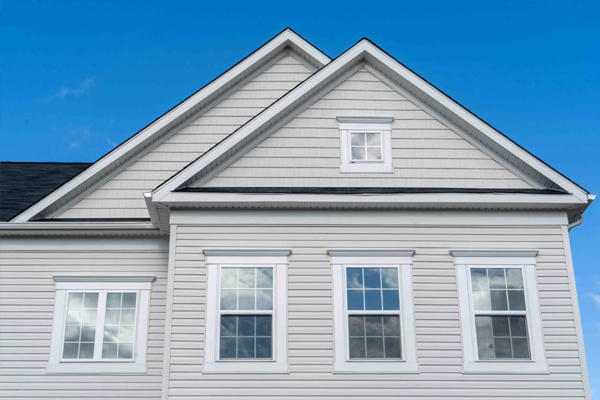


Aluminum siding has gained popularity among homeowners for its numerous advantages. One of the most significant benefits is its durability. Unlike wood, which can warp, rot, or be susceptible to pests, aluminum siding is resistant to many of the elements that can damage other materials.
It can withstand harsh weather conditions, including heavy rain, snow, and extreme temperatures, making it an ideal choice for various climates. Additionally, aluminum siding does not require frequent painting or staining, which can save homeowners both time and money in the long run. Another compelling reason to consider aluminum siding is its low maintenance requirements.
Homeowners can enjoy the aesthetic appeal of their homes without the constant upkeep that other materials demand. A simple wash with soap and water is often sufficient to keep aluminum siding looking fresh and clean. Furthermore, aluminum siding is available in a wide range of colors and finishes, allowing homeowners to customize their exteriors to match their personal style.
This versatility makes it a popular choice for both new constructions and renovations.
Key Takeaways
- Aluminum siding is durable, low-maintenance, and resistant to rust and corrosion, making it a long-lasting and cost-effective option for homeowners.
- When choosing a contractor for aluminum siding installation, it is important to look for experience, expertise, and positive customer reviews to ensure a successful and high-quality installation process.
- Understanding the installation process of aluminum siding involves proper measurements, cutting, and fastening techniques to ensure a seamless and professional finish.
- Proper preparation of the installation area, including cleaning, repairing, and priming the surface, is crucial for the longevity and performance of aluminum siding.
- Choosing the right type of aluminum siding involves considering factors such as style, color, texture, and thickness to best suit the aesthetic and functional needs of the home.
Finding the Right Contractor for Aluminum Siding Installation
Selecting the right contractor for aluminum siding installation is crucial to ensuring a successful project. Start by researching local contractors who specialize in siding installation.
Additionally, asking friends or family for recommendations can lead you to trustworthy professionals. Once you have a shortlist of potential contractors, it’s essential to conduct interviews and request quotes.
During these discussions, inquire about their experience with aluminum siding specifically, as well as their licensing and insurance status. A reputable contractor should be willing to provide references from past projects and demonstrate their expertise in the field. Don’t hesitate to ask about warranties on both materials and labor; a good contractor will stand behind their work and offer assurances that protect your investment.
Understanding the Installation Process

The installation process for aluminum siding involves several key steps that ensure a proper fit and finish. Initially, the contractor will assess your home’s exterior to determine the best approach for installation. This assessment includes measuring the area, checking for any existing damage, and discussing any necessary repairs before proceeding.
Proper preparation is vital to achieving a seamless look and ensuring the longevity of the siding. Once the assessment is complete, the contractor will begin by removing any old siding or materials that may interfere with the new installation. This step is crucial as it allows for a clean surface on which to install the aluminum siding.
After preparing the area, the contractor will install a moisture barrier to protect against water infiltration, followed by insulation if needed. Finally, the aluminum panels are carefully measured, cut, and secured in place using specialized fasteners. This meticulous process ensures that your new siding not only looks great but also performs effectively against the elements.
The Importance of Proper Preparation
Proper preparation is a critical component of any successful aluminum siding installation project. Before any materials are applied, it’s essential to ensure that the underlying structure is sound and free from damage. This may involve repairing or replacing rotting wood, fixing structural issues, or addressing any moisture problems that could compromise the integrity of the new siding.
Skipping this step can lead to significant issues down the line, including mold growth or premature deterioration of the siding itself. Additionally, proper preparation includes selecting the right tools and materials for the job. Contractors should use high-quality fasteners and sealants designed specifically for aluminum siding to ensure a secure fit and prevent leaks.
Furthermore, taking the time to plan out the installation process can help avoid mistakes that could lead to costly repairs later on. By prioritizing preparation, homeowners can enjoy a smoother installation experience and a more durable finished product.
Choosing the Right Type of Aluminum Siding
When it comes to aluminum siding, there are various types available, each offering unique benefits and aesthetic options. Homeowners should consider factors such as style, thickness, and finish when selecting the right type for their home. For instance, some may prefer traditional horizontal panels for a classic look, while others might opt for vertical panels that can create an illusion of height on smaller homes.
Another important consideration is the thickness of the aluminum siding. Thicker panels tend to be more durable and resistant to dents and damage from hail or debris. Additionally, homeowners should explore different finishes available in aluminum siding, such as smooth or textured surfaces.
Each finish can dramatically alter the appearance of a home’s exterior, so it’s essential to choose one that complements your architectural style while also meeting your functional needs.
Safety Considerations During Installation

Safety should always be a top priority during any home improvement project, including aluminum siding installation. Contractors must adhere to safety regulations and guidelines to protect themselves and those around them. This includes wearing appropriate personal protective equipment (PPE) such as gloves, goggles, and hard hats when necessary.
Additionally, using ladders safely and ensuring they are stable before climbing is crucial to prevent falls. Moreover, it’s essential to be aware of potential hazards associated with working with aluminum materials. Sharp edges can pose a risk of cuts or injuries; therefore, handling materials with care is vital.
Contractors should also be cautious when using power tools during installation to avoid accidents. By prioritizing safety measures throughout the installation process, both contractors and homeowners can ensure a smooth project without unnecessary risks.
Maintenance Tips for Aluminum Siding
While aluminum siding is known for its low maintenance requirements, some care is still necessary to keep it looking its best over time. Regular cleaning is essential; homeowners should aim to wash their siding at least once a year using mild soap and water. This simple task helps remove dirt, grime, and any potential stains that may accumulate over time.
For tougher stains or mildew growth, a mixture of vinegar and water can be effective in restoring the siding’s appearance. In addition to cleaning, it’s important to inspect aluminum siding periodically for any signs of damage or wear. Look for dents, scratches, or areas where paint may be peeling or fading.
Addressing these issues promptly can prevent further deterioration and extend the lifespan of your siding. If you notice any significant damage or if your siding has been impacted by severe weather conditions, consider consulting a professional for repairs or touch-ups.
Environmental Benefits of Aluminum Siding
Aluminum siding offers several environmental benefits that make it an eco-friendly choice for homeowners looking to reduce their carbon footprint. One of the most significant advantages is its recyclability; aluminum can be recycled indefinitely without losing its quality or integrity. This means that when it comes time to replace your siding or if it sustains damage beyond repair, it can be recycled rather than ending up in a landfill.
Additionally, aluminum siding contributes to energy efficiency in homes. When properly installed with insulation behind it, aluminum siding can help regulate indoor temperatures by providing an extra layer of protection against heat loss in winter and heat gain in summer. This energy efficiency not only reduces heating and cooling costs but also lessens reliance on fossil fuels for energy production—an important step toward sustainability.
Common Mistakes to Avoid During Installation
When installing aluminum siding, there are several common mistakes that both contractors and homeowners should be aware of to ensure a successful project. One frequent error is improper measurement; inaccurate measurements can lead to ill-fitting panels that compromise both aesthetics and functionality. It’s crucial to double-check all measurements before cutting materials to avoid waste and ensure a seamless installation.
Another mistake often made during installation is neglecting proper ventilation behind the siding. Without adequate airflow, moisture can become trapped between the siding and the underlying structure, leading to mold growth or wood rot over time. Ensuring proper ventilation not only protects your home but also enhances the longevity of your new siding.
By being mindful of these common pitfalls, homeowners can enjoy a smoother installation process with fewer complications.
The Cost of Aluminum Siding Installation
The cost of aluminum siding installation can vary significantly based on several factors including material quality, labor rates in your area, and the size of your home. On average, homeowners can expect to pay between $3 to $6 per square foot for aluminum siding materials alone; however, this price may increase depending on additional features such as insulation or custom finishes. Labor costs also play a significant role in determining overall expenses; hiring experienced contractors may come at a premium but often results in higher quality work and fewer issues down the line.
It’s advisable for homeowners to obtain multiple quotes from different contractors before making a decision; this not only helps compare prices but also provides insight into each contractor’s approach and expertise.
Customer Satisfaction and Reviews
Customer satisfaction is paramount when it comes to home improvement projects like aluminum siding installation. Positive reviews from previous clients can provide valuable insight into a contractor’s reliability and quality of work. Homeowners should take the time to read through testimonials on various platforms such as Google Reviews or social media pages before making their final decision.
Additionally, engaging with past clients directly can offer firsthand accounts of their experiences with specific contractors. Asking about communication styles, adherence to timelines, and overall satisfaction with the finished product can help you gauge whether a particular contractor aligns with your expectations. Ultimately, prioritizing customer satisfaction not only leads to better outcomes but also fosters trust between homeowners and contractors throughout the installation process.
In conclusion, choosing aluminum siding for your home comes with numerous benefits ranging from durability to environmental sustainability. By understanding the installation process, finding the right contractor, and maintaining your new siding properly, you can enjoy all that this material has to offer while enhancing your home’s curb appeal and value. If you’re considering an upgrade or renovation project involving aluminum siding, take action today by reaching out to local contractors for consultations and quotes!
If you’re considering expert aluminum siding installation in Toronto, it’s essential to understand the benefits that this material can bring to your home. Aluminum siding is not only durable and low-maintenance but also offers excellent protection against the elements. For a deeper dive into the advantages of choosing aluminum siding for your home, you might find this related article insightful: Advantages of Aluminum Siding. This article explores the various benefits of aluminum siding, including its longevity, energy efficiency, and aesthetic appeal, making it a popular choice for homeowners looking to enhance their property’s curb appeal and defense.
Get Free Estimate (647) 560-9038
FAQs
What is aluminum siding?
Aluminum siding is a type of exterior cladding made from aluminum sheets that are designed to protect the exterior of a building from the elements.
Why choose aluminum siding for your home?
Aluminum siding is known for its durability, low maintenance, and resistance to rust and corrosion. It also comes in a variety of colors and styles, making it a versatile option for homeowners.
What are the benefits of professional aluminum siding installation?
Professional installation ensures that the siding is properly fitted and secured, which can help prevent issues such as warping, buckling, and water damage. It also ensures that the siding is installed according to manufacturer specifications, which can help maintain any warranties.
How do I find a reputable company for aluminum siding installation in Toronto?
When looking for a company to install aluminum siding, it’s important to research and read reviews to find a reputable and experienced contractor. It’s also a good idea to ask for references and examples of past work.
What should I expect during the aluminum siding installation process?
During the installation process, the old siding will be removed, the exterior of the building will be prepared, and the new aluminum siding will be installed according to the manufacturer’s guidelines. The process may also include insulation and sealing to ensure energy efficiency and protection from the elements.