



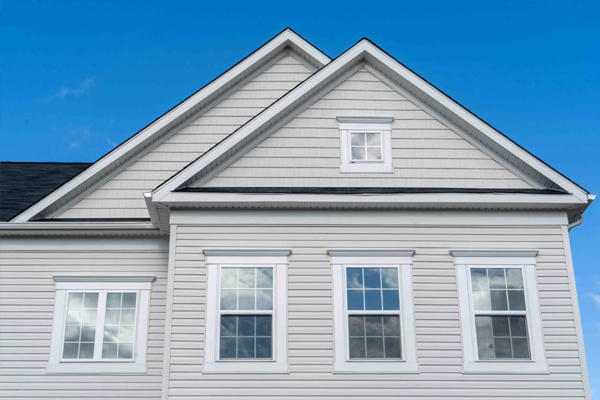


Aluminum is a remarkable metal that has gained immense popularity across various industries due to its unique properties and versatility. As a lightweight, durable, and corrosion-resistant material, aluminum has become a go-to choice for architects, builders, and manufacturers alike. Its applications range from construction and transportation to consumer goods and packaging, making it an integral part of modern life.
In recent years, the demand for aluminum has surged, particularly in urban environments like Toronto, where the climate can be both challenging and unpredictable. The appeal of aluminum lies not only in its physical characteristics but also in its sustainability. As a recyclable material, aluminum can be repurposed without losing its inherent qualities, making it an environmentally friendly option.
This article will explore the numerous advantages of aluminum, particularly in the context of Toronto’s diverse weather conditions, highlighting why it is an ideal choice for construction and design.
Key Takeaways
- Aluminum is a versatile and durable material that is ideal for various architectural applications.
- It offers exceptional durability in extreme temperatures, making it suitable for both hot and cold climates.
- Aluminum is highly resistant to corrosion, ensuring longevity and minimal maintenance requirements.
- Its lightweight nature makes it easy to install, reducing labor costs and construction time.
- Aluminum is energy-efficient and environmentally friendly, making it the ideal choice for modern architectural trends and Toronto’s varied weather conditions.
Durability in Extreme Temperatures
One of the standout features of aluminum is its exceptional durability in extreme temperatures. Whether facing the sweltering heat of summer or the biting cold of winter, aluminum maintains its structural integrity and performance. This resilience is particularly beneficial in regions like Toronto, where temperature fluctuations can be significant.
Unlike some materials that may warp or crack under stress, aluminum remains stable, ensuring that buildings and structures retain their aesthetic appeal and functionality over time. Moreover, aluminum’s ability to withstand thermal expansion and contraction means that it can adapt to changing temperatures without compromising its strength. This characteristic is crucial for construction projects in Toronto, where the temperature can swing dramatically between seasons.
By choosing aluminum for windows, doors, and other architectural elements, builders can ensure that their structures remain intact and visually appealing, regardless of the weather conditions.
Resistance to Corrosion

Corrosion resistance is another key advantage of aluminum that makes it an ideal material for construction in Toronto. The city experiences a range of environmental factors that can contribute to corrosion, including humidity, rain, and snow. Aluminum naturally forms a protective oxide layer when exposed to air, which prevents further oxidation and deterioration.
This inherent property allows aluminum to withstand harsh weather conditions without succumbing to rust or corrosion. In addition to its natural resistance to corrosion, aluminum can be treated with various coatings to enhance its durability further. Anodizing or powder coating can provide an extra layer of protection against the elements, ensuring that aluminum structures maintain their appearance and functionality for years to come.
This resistance to corrosion not only extends the lifespan of buildings but also reduces maintenance costs, making aluminum a smart investment for property owners in Toronto.
Lightweight and Easy to Install
The lightweight nature of aluminum is one of its most appealing attributes, particularly in construction applications. Weighing significantly less than steel or other traditional building materials, aluminum allows for easier handling and installation. This characteristic can lead to reduced labor costs and shorter project timelines, as workers can transport and manipulate aluminum components with greater ease.
Additionally, the lightweight quality of aluminum does not compromise its strength. In fact, aluminum boasts an impressive strength-to-weight ratio, making it suitable for a variety of structural applications. Builders can create robust designs without the need for excessive support systems, allowing for more innovative architectural solutions.
In a bustling city like Toronto, where space is at a premium, the ability to maximize design potential while minimizing weight is invaluable.
Energy Efficiency
Energy efficiency is a critical consideration in modern construction, especially in urban areas where energy costs can be high. Aluminum plays a significant role in enhancing energy efficiency through its thermal performance properties. When used in window frames and building facades, aluminum can be designed with thermal breaks that reduce heat transfer between the interior and exterior environments.
This feature helps maintain comfortable indoor temperatures year-round while minimizing reliance on heating and cooling systems. Furthermore, the reflective properties of aluminum can contribute to energy savings by reducing heat absorption from sunlight. This is particularly beneficial during Toronto’s hot summer months when air conditioning usage tends to spike.
By incorporating aluminum into building designs, architects and builders can create energy-efficient structures that not only lower utility bills but also contribute to a more sustainable urban environment.
Low Maintenance Requirements

One of the most attractive aspects of aluminum is its low maintenance requirements. Unlike wood or other materials that may require regular painting or sealing to protect against the elements, aluminum is inherently resistant to fading and deterioration. A simple wash with soap and water is often sufficient to keep aluminum surfaces looking fresh and clean.
This low-maintenance characteristic is especially advantageous for property owners in Toronto who may not have the time or resources for extensive upkeep. By choosing aluminum for exterior applications such as siding, roofing, or window frames, homeowners can enjoy the aesthetic benefits without the burden of constant maintenance. This ease of care not only saves time but also reduces long-term costs associated with repairs and replacements.
Versatility in Design
Aluminum’s versatility extends beyond its physical properties; it also offers a wide range of design possibilities.
Whether it’s sleek modern lines or intricate traditional details, aluminum can be fabricated to meet specific design requirements.
Additionally, aluminum can be easily combined with other materials such as glass or wood to create stunning visual contrasts. This adaptability allows architects and designers to push creative boundaries while ensuring structural integrity. In a diverse city like Toronto, where architectural styles vary widely from neighborhood to neighborhood, aluminum provides the flexibility needed to create unique and eye-catching designs that resonate with local character.
Cost-Effectiveness
When considering building materials, cost-effectiveness is always a crucial factor. Aluminum offers an excellent balance between initial investment and long-term value. While the upfront cost may be higher than some alternatives, the durability and low maintenance requirements of aluminum lead to significant savings over time.
Property owners can expect fewer repairs and replacements compared to materials that are more susceptible to wear and tear. Moreover, the energy efficiency benefits associated with aluminum can translate into lower utility bills, further enhancing its cost-effectiveness. In Toronto’s competitive real estate market, investing in high-quality materials like aluminum can increase property value while providing a return on investment through reduced operational costs.
Environmental Benefits
In today’s environmentally conscious world, choosing sustainable materials is more important than ever. Aluminum stands out as an eco-friendly option due to its recyclability and low environmental impact during production. Approximately 75% of all aluminum ever produced is still in use today, showcasing its longevity and sustainability.
Furthermore, the recycling process for aluminum requires significantly less energy compared to primary production. This means that by opting for recycled aluminum products, builders can contribute to reducing greenhouse gas emissions and conserving natural resources. In a city like Toronto that prioritizes sustainability initiatives, using aluminum aligns with broader environmental goals while promoting responsible building practices.
Compatibility with Modern Architectural Trends
As architectural trends continue to evolve towards minimalism and sustainability, aluminum remains at the forefront as a compatible material choice.
The clean lines and smooth finishes of aluminum enhance visual appeal without compromising performance.
Additionally, as smart technology becomes increasingly integrated into building design, aluminum’s adaptability allows for seamless incorporation of advanced systems such as solar panels or energy-efficient windows. This compatibility with modern trends positions aluminum as a forward-thinking choice for architects and builders looking to create innovative spaces that meet the demands of today’s occupants.
The Ideal Choice for Toronto’s Varied Weather Conditions
In conclusion, aluminum emerges as an ideal choice for construction in Toronto’s varied weather conditions due to its durability, resistance to corrosion, lightweight nature, energy efficiency, low maintenance requirements, versatility in design, cost-effectiveness, environmental benefits, and compatibility with modern architectural trends. As property owners seek materials that not only withstand the challenges posed by fluctuating temperatures but also contribute positively to sustainability efforts, aluminum stands out as a reliable solution. By embracing aluminum in construction projects throughout Toronto, builders can create structures that are not only aesthetically pleasing but also resilient against the elements.
As we move towards a more sustainable future in urban development, choosing aluminum will undoubtedly play a pivotal role in shaping the skyline of this vibrant city while ensuring comfort and efficiency for its residents. If you’re considering a construction project or renovation in Toronto, explore the possibilities that aluminum offers—it’s a decision you won’t regret!
In considering the benefits of aluminum for Toronto’s variable weather, it’s also worth exploring how aluminum siding can enhance your home’s exterior. For instance, the article on siding solutions that boost your home’s curb appeal and defense discusses how aluminum siding not only provides durability against harsh weather conditions but also improves the aesthetic value of your property. This makes aluminum an excellent choice for homeowners looking to protect their investment while maintaining an attractive appearance.
Get Free Estimate (647) 560-9038
FAQs
What are the benefits of using aluminum in Toronto’s weather?
Aluminum is ideal for Toronto’s weather due to its resistance to corrosion, making it suitable for the city’s high levels of precipitation and humidity. It is also lightweight, making it easier to handle and install, and it retains its strength in cold temperatures.
How does aluminum perform in Toronto’s extreme temperature fluctuations?
Aluminum is known for its ability to withstand extreme temperature fluctuations, making it an ideal material for Toronto’s weather. It does not become brittle in cold temperatures and does not degrade in hot temperatures, making it a reliable choice for the city’s climate.
Is aluminum a sustainable choice for Toronto’s weather?
Aluminum is a sustainable choice for Toronto’s weather as it is 100% recyclable and retains its properties during the recycling process. This makes it an environmentally friendly option for the city’s weather conditions.
Does aluminum require a lot of maintenance in Toronto’s weather?
Aluminum requires minimal maintenance in Toronto’s weather. Its resistance to corrosion means it does not require frequent painting or coating, making it a low-maintenance option for the city’s climate.
Can aluminum withstand the high winds and storms in Toronto?
Aluminum is known for its strength and durability, making it capable of withstanding high winds and storms in Toronto. It is often used in construction and building materials for its ability to withstand extreme weather conditions.