


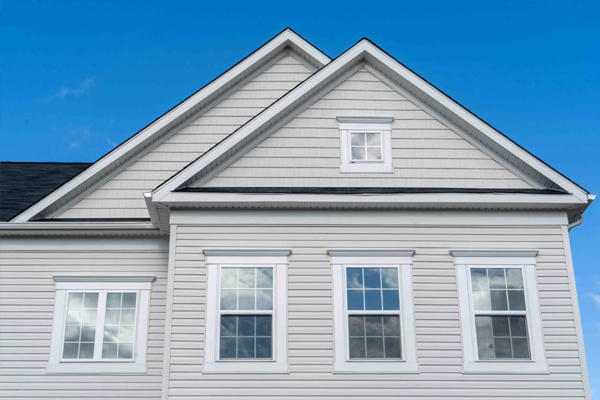


When it comes to selecting aluminum siding for your home, understanding the various types available is crucial. Aluminum siding is not only durable but also versatile, making it a popular choice among homeowners. The most common types include traditional flat panels, vertical panels, and textured finishes.
Each type offers unique aesthetic qualities and functional benefits, allowing homeowners to choose a style that best fits their needs. Traditional flat panels are the most widely recognized form of aluminum siding. They provide a clean, modern look that can enhance the overall appearance of any home.
Vertical panels, on the other hand, can create a sense of height and elegance, making them an excellent choice for smaller homes or those with a contemporary design. Textured finishes, such as wood grain or stucco patterns, offer an alternative that mimics the look of natural materials while retaining the durability of aluminum. By understanding these options, homeowners can make informed decisions that align with their vision for their property.
Key Takeaways
- Explore various aluminum siding types to find the best fit for your home’s needs.
- Match siding style with your home’s architecture for a cohesive look.
- Prioritize durable, low-maintenance siding options to save time and money.
- Consider color, finish, and customization to enhance your home’s curb appeal.
- Factor in budget, environmental impact, energy efficiency, and resale value when choosing siding.
Considering Your Home’s Architecture: Matching the Style of Your Home
The architectural style of your home plays a significant role in determining the type of aluminum siding that will be most appropriate. For instance, a traditional colonial home may benefit from classic horizontal siding that complements its historical features. In contrast, a modern home with clean lines might look best with sleek vertical panels or a minimalist design.
It’s essential to consider how the siding will harmonize with existing elements such as windows, doors, and roofing. Additionally, the color and finish of the siding should also reflect the architectural style. A Victorian-style home may be enhanced by rich, bold colors and intricate textures, while a mid-century modern house might call for more subdued tones and smooth finishes.
By carefully considering these factors, homeowners can ensure that their choice of aluminum siding not only enhances their home’s aesthetic appeal but also maintains its architectural integrity.
Evaluating Durability: Choosing a Siding Style That Will Last

Durability is one of the primary reasons homeowners opt for aluminum siding. Unlike wood or vinyl, aluminum is resistant to rot, pests, and extreme weather conditions. However, not all aluminum siding is created equal; some styles offer greater durability than others.
For instance, thicker panels tend to withstand impacts better and resist denting from hail or falling branches. Moreover, the finish applied to aluminum siding can significantly affect its longevity. An enamel finish can provide additional protection against fading and corrosion, ensuring that your siding maintains its appearance over time.
When evaluating durability, it’s essential to consider both the material thickness and the quality of the finish to ensure that your investment will stand the test of time.
Assessing Maintenance Requirements: Finding a Low-Maintenance Option
One of the appealing aspects of aluminum siding is its low-maintenance nature compared to other materials. However, some styles require more upkeep than others. For example, smooth finishes are generally easier to clean and maintain than textured options, which may trap dirt and debris in their grooves.
Homeowners should consider how much time and effort they are willing to invest in maintenance when selecting their siding. Additionally, it’s important to note that while aluminum siding is resistant to many common issues like rot and pests, it can still be susceptible to scratches and dents. Regular inspections and prompt repairs can help maintain its appearance and functionality over time.
By choosing a low-maintenance option and committing to routine care, homeowners can enjoy the benefits of aluminum siding without the burden of extensive upkeep.
Exploring Color and Finish Options: Selecting a Style That Complements Your Home
Color and finish are critical components in selecting aluminum siding that enhances your home’s curb appeal. The variety of colors available ranges from classic whites and grays to bold blues and greens, allowing homeowners to express their personal style while ensuring compatibility with their neighborhood aesthetic. Additionally, finishes can vary from matte to glossy, each offering different visual effects.
When selecting colors, it’s beneficial to consider the surrounding environment and architectural features. For instance, earthy tones may blend well with natural landscapes, while brighter colors can make a statement in urban settings. Homeowners should also take into account how different colors may appear at various times of day due to changing light conditions.
By thoughtfully exploring color and finish options, you can create a cohesive look that enhances your home’s overall design.
Budget Considerations: Finding an Affordable Siding Style
Budget is often a significant factor when choosing aluminum siding. While aluminum is generally more affordable than materials like wood or fiber cement, prices can vary based on style, thickness, and finish. Homeowners should establish a clear budget before beginning their search to avoid overspending.
It’s also important to consider long-term costs associated with different siding styles. While some options may have a lower initial price tag, they could require more maintenance or replacement sooner than others. Investing in higher-quality aluminum siding may lead to savings in the long run due to reduced maintenance needs and increased durability.
By balancing upfront costs with long-term value, homeowners can make informed decisions that align with their financial goals.
Environmental Impact: Choosing an Eco-Friendly Siding Option
As environmental concerns continue to grow, many homeowners are seeking eco-friendly building materials for their homes. Aluminum siding is often considered a sustainable choice due to its recyclability and longevity. Unlike vinyl siding, which can take hundreds of years to decompose in landfills, aluminum can be recycled indefinitely without losing its quality.
When selecting aluminum siding with an eye toward sustainability, consider options that use recycled materials or have low environmental impact during production. Additionally, some manufacturers offer eco-friendly finishes that minimize harmful chemicals in their application processes. By choosing environmentally responsible options, homeowners can contribute positively to the planet while enhancing their property’s aesthetic appeal.
Energy Efficiency: Selecting a Siding Style That Provides Insulation
Energy efficiency is an increasingly important consideration for homeowners looking to reduce utility bills and minimize their carbon footprint. While aluminum siding itself does not provide significant insulation, certain styles can be combined with insulation materials to enhance energy efficiency. For instance, insulated aluminum siding features foam backing that helps regulate indoor temperatures by reducing heat transfer.
When selecting energy-efficient siding options, it’s essential to consider local climate conditions as well. In colder regions, thicker insulation may be necessary to keep homes warm during winter months, while in warmer climates, reflective finishes can help keep homes cooler by deflecting sunlight. By prioritizing energy efficiency in your siding choice, you can create a more comfortable living environment while saving on energy costs.
Customization Options: Finding a Siding Style That Allows for Personalization
Customization is key for many homeowners looking to create a unique look for their property. Fortunately, aluminum siding offers numerous customization options that allow for personalization beyond standard colors and finishes. Homeowners can choose from various panel sizes and styles or even opt for decorative elements such as trim or accents.
Additionally, some manufacturers provide options for custom colors or finishes that cater specifically to individual tastes. This level of personalization ensures that your home stands out while reflecting your personal style. By exploring customization options available in aluminum siding, you can create a distinctive look that sets your home apart from others in your neighborhood.
Consulting with a Professional: Getting Expert Advice on Siding Styles
Navigating the world of aluminum siding can be overwhelming due to the multitude of options available. Consulting with a professional can provide valuable insights into which styles will best suit your home’s architecture and your personal preferences. Experts can help assess your needs based on factors such as climate conditions, maintenance requirements, and budget constraints.
They can guide you through the selection process and ensure that your chosen siding is installed correctly for optimal performance and longevity. By seeking expert advice, you can make informed decisions that enhance both the beauty and functionality of your home.
Considering Long-Term Value: Choosing a Siding Style That Adds to Your Home’s Resale Value
When investing in aluminum siding, it’s essential to consider its impact on your home’s long-term value. Quality siding not only enhances curb appeal but also contributes significantly to resale value when it comes time to sell your property. Buyers often prioritize homes with durable and low-maintenance exteriors, making aluminum siding an attractive option.
To maximize resale value, choose styles that are timeless and versatile rather than overly trendy designs that may not appeal to future buyers. Additionally, investing in high-quality materials and professional installation can further enhance your home’s marketability. By considering long-term value in your siding choice, you can ensure that your investment pays off when it comes time to sell.
In conclusion, selecting the right aluminum siding involves careful consideration of various factors including style compatibility with your home’s architecture, durability, maintenance requirements, color options, budget constraints, environmental impact, energy efficiency, customization possibilities, professional guidance, and long-term value. By taking the time to evaluate these aspects thoroughly, you can make an informed decision that enhances both the beauty and functionality of your home while ensuring it remains an asset for years to come. Don’t hesitate—start exploring your options today!
When considering the best options for your home’s exterior, it’s essential to understand the benefits of aluminum siding. For a deeper insight into why aluminum siding is a great choice, you can read the article on the com/advantages-of-aluminum-siding/’>advantages of aluminum siding.
This resource provides valuable information that can help you make an informed decision about the right siding style for your needs.
Get Free Estimate (647) 560-9038
FAQs
What are the common styles of aluminum siding available?
Common styles of aluminum siding include clapboard, vertical panels, Dutch lap, and board and batten. Each style offers a different aesthetic and texture to suit various architectural designs.
How do I determine the right aluminum siding style for my home?
Consider your home’s architectural style, the look you want to achieve, maintenance requirements, and your budget. Reviewing samples and consulting with a siding professional can help you make an informed decision.
Is aluminum siding durable and low maintenance?
Yes, aluminum siding is known for its durability and resistance to rust, rot, and insect damage. It typically requires minimal maintenance, such as occasional cleaning and repainting every few years.
Can aluminum siding be painted or customized?
Aluminum siding can be painted in a variety of colors, allowing for customization to match your home’s exterior. It is important to use paint specifically designed for metal surfaces.
How does aluminum siding compare to other siding materials?
Aluminum siding is lightweight, durable, and resistant to fire and pests. It is generally more affordable than wood siding and requires less maintenance, but it may dent more easily than vinyl or fiber cement siding.
What factors affect the cost of aluminum siding?
Costs vary based on the siding style, thickness, finish, installation complexity, and geographic location. Additional features like insulation or specialty coatings can also impact the price.
Is aluminum siding energy efficient?
Aluminum siding itself has limited insulating properties, but when combined with insulated backing or house wrap, it can improve a home’s energy efficiency by reducing heat loss.
How long does aluminum siding typically last?
With proper installation and maintenance, aluminum siding can last 30 to 50 years or more, making it a long-term investment for home exteriors.
Can aluminum siding be installed over existing siding?
In many cases, aluminum siding can be installed over existing siding if the surface is in good condition and properly prepared. However, it is best to consult a professional to assess your specific situation.
Does aluminum siding resist weather damage?
Aluminum siding is resistant to weather elements such as rain, wind, and sun exposure. It does not absorb moisture, which helps prevent mold and mildew growth. However, it can dent from hail or impact.