



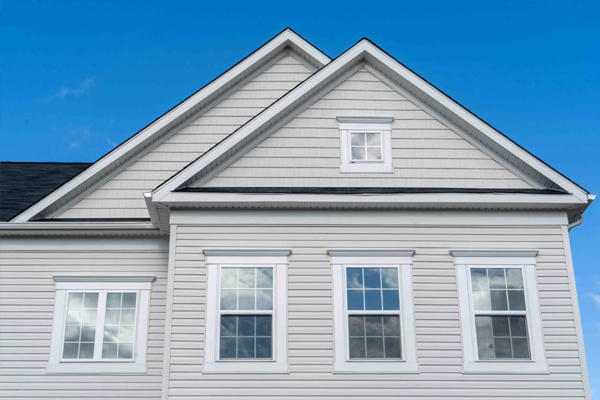


Winter can be a challenging season for homeowners, especially when it comes to maintaining the exterior of their homes. Aluminum siding, while known for its durability and low maintenance, is not immune to the harsh effects of winter weather. Cold temperatures, snow, ice, and the use of de-icing chemicals can all take a toll on aluminum siding, leading to potential damage if not properly managed.
Understanding these effects is crucial for homeowners who want to preserve the integrity and appearance of their siding throughout the winter months. One of the primary concerns during winter is the formation of ice and snow on aluminum siding. When snow accumulates, it can create a heavy load that may lead to bending or warping of the siding panels.
Additionally, as temperatures fluctuate, the expansion and contraction of aluminum can cause seams to loosen or even crack. Furthermore, moisture trapped between the siding and the underlying structure can lead to corrosion over time, compromising the longevity of your siding. By recognizing these potential issues, homeowners can take proactive steps to protect their aluminum siding during the winter season.
Key Takeaways
- Winter can cause damage to aluminum siding through moisture, ice, and temperature fluctuations.
- Clean and inspect siding before winter to identify and address potential issues early.
- Prevent ice and snow buildup by ensuring proper ventilation, insulation, and timely snow removal.
- Protect siding from salt and de-icing chemicals to avoid corrosion and discoloration.
- Regular monitoring and professional maintenance help maintain siding integrity throughout winter.
Cleaning and Inspecting Your Aluminum Siding Before Winter
Before winter sets in, it is essential to clean and inspect your aluminum siding thoroughly. A clean surface not only enhances the aesthetic appeal of your home but also helps prevent the buildup of dirt and grime that can trap moisture and lead to corrosion. Start by using a soft-bristle brush or a pressure washer on a low setting to remove any dirt, mold, or mildew that may have accumulated over time.
Be sure to use a mild detergent mixed with water for effective cleaning without damaging the finish of your siding. Once your siding is clean, conduct a thorough inspection for any signs of damage. Look for dents, scratches, or loose panels that may have occurred during the previous seasons.
Pay special attention to seams and joints where water could potentially seep in. If you notice any issues, addressing them before winter can save you from more significant problems down the line. Taking these steps ensures that your aluminum siding is not only clean but also in good condition to withstand the rigors of winter.
Preventing Ice and Snow Buildup on Your Aluminum Siding

Preventing ice and snow buildup on your aluminum siding is crucial for maintaining its integrity during winter. One effective strategy is to ensure that your gutters and downspouts are clear of debris. Clogged gutters can cause water to overflow and freeze on your siding, leading to potential damage.
Regularly cleaning your gutters will help direct melting snow and ice away from your home’s exterior. Another preventive measure is to consider installing heating cables along the roofline and gutters. These cables can help melt snow and ice before they have a chance to accumulate on your siding.
Additionally, ensuring proper insulation in your attic can help maintain consistent temperatures on your roof, reducing the likelihood of ice dams forming. By taking these proactive steps, you can significantly reduce the risk of ice and snow buildup on your aluminum siding.
Protecting Your Aluminum Siding from Salt and De-Icing Chemicals
During winter, many homeowners use salt and other de-icing chemicals to keep walkways and driveways safe from ice. However, these substances can be detrimental to aluminum siding if they come into contact with it. Salt can cause corrosion over time, leading to unsightly stains and potential damage to the protective coating on your siding.
To mitigate this risk, consider using sand or environmentally friendly de-icing products that are less harmful to metal surfaces. Additionally, if you must use salt or de-icing chemicals, take care to apply them sparingly and avoid overspreading them near your home’s foundation. Regularly rinsing off any residue that may have splashed onto your siding can also help prevent long-term damage.
By being mindful of how you manage ice and snow around your home, you can protect your aluminum siding from the harmful effects of salt and de-icing chemicals.
Checking for and Repairing Any Damaged Areas on Your Aluminum Siding
As winter approaches, it’s vital to check for any damaged areas on your aluminum siding and make necessary repairs. Even minor dents or scratches can become more pronounced when exposed to freezing temperatures and moisture. Start by inspecting each panel closely for signs of wear or damage.
If you find any issues, such as loose panels or cracks, it’s essential to address them promptly. Repairing damaged areas may involve replacing entire panels or simply re-sealing seams with a high-quality caulk designed for metal surfaces. For minor scratches, touch-up paint specifically formulated for aluminum siding can help restore its appearance and provide an additional layer of protection against the elements.
By taking the time to repair any damage before winter sets in, you can extend the life of your aluminum siding and maintain its visual appeal.
Maintaining Proper Ventilation and Insulation to Prevent Condensation
Proper ventilation and insulation are critical components in preventing condensation issues that can affect aluminum siding during winter months. When warm air from inside your home rises into the attic space, it can create moisture that condenses on cold surfaces, including your siding. This moisture can lead to mold growth and deterioration over time if not addressed.
To combat this issue, ensure that your attic is well-ventilated with adequate airflow through vents or fans. Additionally, check that insulation is properly installed in your attic and walls to minimize heat loss. This will help maintain a consistent temperature throughout your home and reduce the likelihood of condensation forming on your aluminum siding.
By prioritizing ventilation and insulation, you can protect both your siding and the overall health of your home during winter.
Removing Ice Dams and Icicles from Your Aluminum Siding
Ice dams and icicles can pose significant risks to aluminum siding during winter months. Ice dams form when melting snow refreezes at the eaves of your roof, creating a barrier that prevents proper drainage. This trapped water can seep under shingles or siding, leading to leaks and water damage inside your home.
To prevent this issue, it’s essential to remove ice dams promptly. When dealing with ice dams or icicles hanging from your aluminum siding, safety should be your top priority. Use a roof rake to carefully remove snow from the roofline without climbing onto the roof itself.
Avoid using sharp tools or excessive force that could damage your siding or roofing materials. If ice dams are particularly stubborn, consider using a heated cable system or hiring a professional service experienced in safely removing ice buildup from roofs and siding.
Using the Right Tools and Techniques for Safe Snow Removal
When it comes to snow removal from aluminum siding, using the right tools and techniques is essential for preventing damage. Traditional shovels or metal scrapers can scratch or dent aluminum surfaces, leading to costly repairs down the line. Instead, opt for a soft-bristle broom or a plastic snow shovel designed specifically for use on delicate surfaces.
When removing snow from your siding, work from the top down to avoid pushing snow onto lower panels where it could accumulate. Use gentle sweeping motions rather than aggressive scraping to minimize the risk of damaging the finish of your siding. Additionally, consider removing snow after each snowfall rather than waiting until it accumulates significantly; this will make the task easier and reduce stress on your siding.
Applying a Protective Coating to Your Aluminum Siding
Applying a protective coating to your aluminum siding can provide an extra layer of defense against winter weather conditions. A high-quality sealant or wax designed for metal surfaces can help repel moisture and prevent corrosion caused by ice and snow accumulation. Before applying any product, ensure that your siding is clean and dry for optimal adhesion.
Regularly reapplying this coating every few years will help maintain its effectiveness and prolong the life of your siding. By investing in a protective coating, you can enhance both the appearance and durability of your aluminum siding throughout winter.
Monitoring Your Aluminum Siding Throughout the Winter
Regular monitoring of your aluminum siding during winter is crucial for catching potential issues early on before they escalate into more significant problems. Take time each month to inspect your siding for signs of wear or damage caused by snow accumulation or ice buildup. Look for any areas where moisture may be trapped or where corrosion may be starting.
Additionally, keep an eye out for changes in color or texture that could indicate underlying issues with your siding’s protective coating. If you notice anything concerning during your inspections, address it promptly by making repairs or consulting with a professional if necessary. By staying vigilant throughout winter, you can ensure that your aluminum siding remains in excellent condition year-round.
Professional Maintenance and Repairs for Your Aluminum Siding
While many homeowners are capable of performing basic maintenance tasks on their aluminum siding, there are times when professional assistance is warranted. If you encounter significant damage or if you’re unsure about how to address specific issues effectively, hiring a professional contractor experienced in aluminum siding maintenance can save you time and stress. Professional services often include thorough inspections, repairs, cleaning, and even applying protective coatings tailored specifically for aluminum surfaces.
They have access to specialized tools and products that may not be readily available to homeowners, ensuring that repairs are done correctly and efficiently. Investing in professional maintenance not only enhances the longevity of your aluminum siding but also provides peace of mind knowing that it’s being cared for by experts in the field. In conclusion, taking proactive measures to protect your aluminum siding during winter is essential for maintaining its appearance and durability over time.
From cleaning and inspecting before winter sets in to monitoring throughout the season, each step plays a vital role in preserving this important aspect of your home’s exterior. By following these guidelines and considering professional assistance when needed, you can ensure that your aluminum siding remains in excellent condition year after year—ready to withstand whatever winter throws its way!
To ensure your aluminum siding remains in top condition during the winter months, it’s essential to follow proper maintenance practices. For additional insights on enhancing the overall appearance and durability of your home, you might find our article on choosing exterior trim and color particularly helpful. This guide provides valuable tips on selecting the right trim that complements your aluminum siding, ensuring your home not only withstands the winter but also looks great year-round.
Get Free Estimate (647) 560-9038
FAQs
How should I prepare my aluminum siding for winter?
Before winter sets in, clean your aluminum siding thoroughly to remove dirt and debris. Inspect for any damage or loose panels and repair them to prevent further issues caused by cold weather and moisture.
Can I wash aluminum siding during winter?
Yes, you can wash aluminum siding in winter, but choose a mild day when temperatures are above freezing to avoid water freezing on the surface. Use warm water and a gentle detergent, and rinse thoroughly.
What cleaning products are safe for aluminum siding?
Use mild detergents or specialized siding cleaners that are non-abrasive and free of harsh chemicals. Avoid bleach or strong solvents that can damage the finish of the aluminum siding.
How do I prevent ice damage to aluminum siding?
Ensure gutters and downspouts are clear to prevent ice dams and water buildup near the siding. Proper insulation and ventilation in your attic can also reduce the risk of ice formation that may affect the siding.
Is it necessary to repaint aluminum siding after winter?
Repainting is not always necessary unless the paint is peeling or damaged. Inspect the siding after winter and touch up any areas where the paint has worn off to protect the metal from corrosion.
How often should I inspect my aluminum siding during winter?
It is advisable to inspect your aluminum siding at least once during the winter season, especially after severe weather events, to identify and address any damage promptly.
Can snow and ice cause aluminum siding to warp or crack?
Aluminum siding is generally durable and resistant to warping or cracking from snow and ice. However, heavy ice buildup or impact from falling ice can cause damage, so it’s important to remove excessive ice safely.
What maintenance tips help extend the life of aluminum siding in winter?
Regular cleaning, prompt repairs of any damage, keeping gutters clear, and ensuring proper home insulation are key maintenance steps to protect aluminum siding during winter months.