



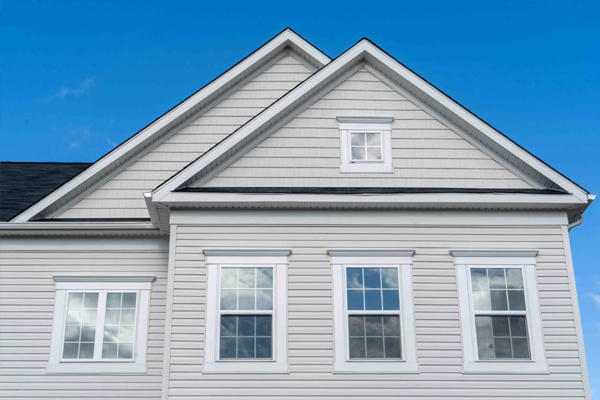


As winter descends upon Canada, harsh weather conditions present significant challenges. Heavy snowfall and extreme cold require construction, transportation, and everyday materials to withstand severe elements. Aluminum emerges as an exceptional choice for winter applications due to its distinctive properties that make it particularly suitable for Canadian winter conditions.
This article examines aluminum’s numerous benefits, including its durability, corrosion resistance, and lightweight characteristics, demonstrating why it serves as an optimal material for winter environments. Aluminum’s importance during Canadian winters transcends basic functionality, offering a rare combination of strength and adaptability. Industries and homeowners seeking materials capable of withstanding extreme temperatures while maintaining performance increasingly turn to aluminum.
This article provides a detailed examination of aluminum’s properties, showing how it meets winter demands while delivering long-term advantages in sustainability and cost-effectiveness.
Key Takeaways
- Aluminum remains strong and durable even in extremely cold Canadian winters.
- It resists corrosion and rust, making it ideal for harsh winter conditions.
- Its lightweight nature allows for easy handling and installation during winter.
- Aluminum offers good thermal conductivity while providing insulation benefits.
- Low maintenance and long-term cost-effectiveness make aluminum a practical winter material choice.
Durability and Strength of Aluminum in Cold Temperatures
One of the most compelling reasons to choose aluminum for winter applications is its remarkable durability and strength in cold temperatures. Unlike some materials that become brittle or lose structural integrity when exposed to freezing conditions, aluminum retains its toughness.
Aluminum’s strength-to-weight ratio is another factor that enhances its appeal. It is both lightweight and robust, allowing for easy handling during construction or installation while still providing the necessary support for various applications. This combination of durability and strength means that aluminum can be used in everything from window frames to roofing systems, ensuring that buildings can withstand the weight of snow and resist damage from ice accumulation.
Resistance to Corrosion and Rust

In addition to its strength, aluminum boasts exceptional resistance to corrosion and rust, making it an ideal choice for winter conditions. The formation of a natural oxide layer on aluminum surfaces acts as a protective barrier against moisture and environmental elements. This characteristic is particularly beneficial in Canada, where snow and ice can lead to prolonged exposure to water, increasing the risk of corrosion in other materials.
Moreover, aluminum’s resistance to rust means that it requires less maintenance over time compared to steel or iron, which are prone to rusting when exposed to moisture. This quality not only extends the lifespan of aluminum products but also reduces the need for frequent repairs or replacements. As a result, homeowners and businesses can enjoy peace of mind knowing that their aluminum structures will remain intact and visually appealing throughout the winter months.
Lightweight Nature of Aluminum for Easy Handling
The lightweight nature of aluminum is another significant advantage, especially in winter applications where ease of handling is paramount. Traditional building materials like steel or concrete can be cumbersome and challenging to work with during cold weather conditions. In contrast, aluminum’s lightness allows for quicker installation and less labor-intensive processes, which can be particularly beneficial when working in snowy or icy environments.
This lightweight property also translates into lower transportation costs and easier logistics for construction projects. Whether it’s transporting aluminum panels for roofing or frames for windows, the reduced weight means that fewer resources are needed for moving materials from one location to another. This efficiency not only saves time but also contributes to overall project cost savings.
Thermal Conductivity and Insulation Properties of Aluminum
| Metric | Aluminum Property | Benefit for Canadian Winters |
|---|---|---|
| Thermal Conductivity | 205 W/m·K | Efficient heat transfer helps maintain indoor warmth |
| Corrosion Resistance | High (naturally forms oxide layer) | Resists rust and degradation from snow and ice exposure |
| Weight | 2.7 g/cm³ (lightweight) | Easy to handle and install even in harsh winter conditions |
| Durability | High tensile strength and flexibility | Withstands heavy snow loads and temperature fluctuations |
| Maintenance | Low | Requires minimal upkeep despite harsh weather |
| Recyclability | 100% | Environmentally friendly choice for sustainable building |
While aluminum is known for its thermal conductivity, which allows it to transfer heat efficiently, it also plays a crucial role in insulation when used correctly. In winter conditions, maintaining indoor warmth while minimizing heat loss is essential. Aluminum can be combined with insulating materials to create energy-efficient structures that keep homes warm without excessive energy consumption.
Furthermore, the thermal properties of aluminum can be enhanced through various treatments and coatings. For instance, anodized aluminum can improve insulation performance while still providing the durability needed for winter applications. This adaptability makes aluminum an excellent choice for windows and doors, where energy efficiency is a top priority during the colder months.
Low Maintenance Requirements for Aluminum in Winter
One of the standout features of aluminum is its low maintenance requirements, particularly in winter conditions. Unlike wood, which may warp or rot due to moisture exposure, or steel that requires regular painting to prevent rusting, aluminum remains largely unaffected by the elements. This quality is especially advantageous for homeowners who want to minimize upkeep during the winter months when maintenance tasks can be more challenging.
The durability of aluminum means that it retains its appearance and functionality with minimal intervention. A simple wash with soap and water is often sufficient to keep aluminum surfaces looking new. This ease of maintenance not only saves time but also reduces long-term costs associated with repairs or replacements due to weather-related damage.
Environmental Benefits of Aluminum in Winter Conditions
In an era where sustainability is increasingly important, aluminum offers several environmental benefits that make it an attractive choice for winter applications. First and foremost, aluminum is highly recyclable; approximately 75% of all aluminum ever produced is still in use today. This recyclability means that choosing aluminum contributes to a circular economy, reducing waste and conserving natural resources.
Additionally, the energy efficiency associated with aluminum products can lead to lower energy consumption during winter months. By using aluminum in construction and manufacturing processes that prioritize insulation and thermal performance, buildings can reduce their reliance on heating systems, ultimately lowering greenhouse gas emissions. This commitment to sustainability aligns with broader efforts to combat climate change while ensuring that structures remain resilient against harsh winter conditions.
Versatility and Adaptability of Aluminum in Various Winter Applications
Aluminum’s versatility makes it suitable for a wide range of applications during winter months. From residential construction to commercial projects, aluminum can be found in windows, doors, roofing systems, siding, and even outdoor furniture designed for cold climates. Its adaptability allows architects and builders to incorporate aluminum into designs that require both aesthetic appeal and functional performance.
Moreover, aluminum can be easily fabricated into various shapes and sizes, allowing for custom solutions tailored to specific needs. Whether it’s creating intricate designs for architectural features or producing standard components for mass construction, aluminum’s malleability ensures that it meets diverse requirements without compromising on quality or performance.
Cost-Effectiveness of Aluminum in the Long Run
While the initial cost of aluminum may be higher than some alternative materials, its long-term cost-effectiveness cannot be overlooked. The durability and low maintenance requirements associated with aluminum mean that homeowners and businesses will spend less on repairs and replacements over time. Additionally, the energy efficiency provided by well-insulated aluminum structures can lead to significant savings on heating bills during the cold months.
Investing in aluminum products ultimately pays off by reducing overall lifecycle costs. When considering factors such as longevity, maintenance needs, and energy efficiency, aluminum emerges as a financially sound choice for those looking to build or renovate in regions prone to harsh winters.
Safety and Reliability of Aluminum in Harsh Winter Conditions
Safety is paramount when it comes to materials used in construction and outdoor applications during winter months. Aluminum’s strength and resilience ensure that structures remain safe even under heavy snow loads or extreme weather conditions. Its non-combustible nature adds an extra layer of safety, making it a reliable choice for buildings where fire resistance is a concern.
Furthermore, aluminum’s ability to withstand temperature fluctuations without warping or cracking enhances its reliability as a building material. This stability ensures that windows close properly, doors function smoothly, and roofs remain intact throughout the winter season. For homeowners and businesses alike, choosing aluminum translates into peace of mind knowing that their investments are secure against the elements.
Why Aluminum is the Ideal Choice for Canadian Winters
In conclusion, aluminum emerges as an exceptional choice for addressing the challenges posed by Canadian winters. Its durability and strength ensure that structures remain intact despite extreme cold temperatures, while its resistance to corrosion minimizes maintenance needs over time. The lightweight nature of aluminum facilitates easy handling during construction projects, making it a practical option for builders working in challenging conditions.
Moreover, the environmental benefits associated with aluminum align with contemporary sustainability goals while offering long-term cost-effectiveness through reduced energy consumption and maintenance requirements. With its versatility across various applications—from residential homes to commercial buildings—aluminum proves itself as a reliable material capable of meeting diverse needs. As Canadians prepare for another winter season filled with snow and ice, considering aluminum as a primary material choice will undoubtedly lead to enhanced performance, safety, and sustainability in their projects.
Embrace the advantages of aluminum this winter; your future self will thank you!
In exploring the benefits of aluminum for Canadian winters, it’s also worth considering its durability and cost-effectiveness, which are crucial factors for homeowners facing harsh weather conditions.