



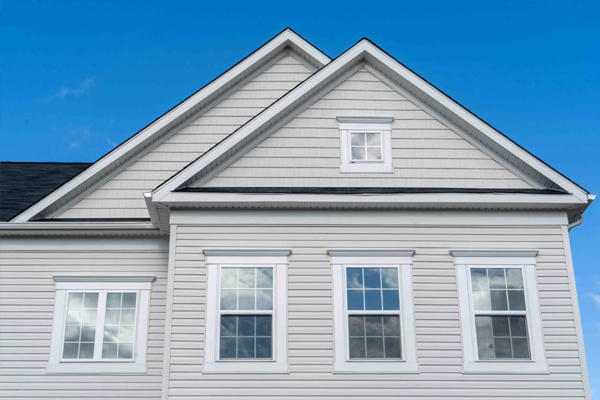


Aluminum siding serves as a common exterior cladding material for residential buildings due to its durability and visual appeal. The material demonstrates superior weather resistance compared to traditional wood siding. Aluminum does not absorb moisture, preventing issues such as warping, rotting, and decay that commonly affect wood materials in humid climates or areas with substantial precipitation.
The material also provides protection against insect damage, particularly termite infestations that can compromise wooden structures. These characteristics result in reduced maintenance requirements and extended service life compared to alternative siding materials. Aluminum siding offers extensive design flexibility through multiple color options, surface finishes, and profile styles.
The material accommodates various architectural styles, ranging from traditional to contemporary designs. Surface treatments include smooth and textured finishes, enabling customization to meet specific aesthetic requirements. The material accepts paint and protective coatings, allowing homeowners to modify appearance over time to align with evolving design preferences or market trends.
This adaptability enhances both the visual appeal and potential resale value of residential properties.
Key Takeaways
- Aluminum siding offers durability, low maintenance, and energy efficiency benefits.
- Timely repair or replacement is crucial when signs like dents, corrosion, or fading appear.
- Hiring a professional company in Toronto ensures quality workmanship and proper siding care.
- Repair involves fixing minor damages, while replacement requires removing old siding and installing new material.
- Regular maintenance after repair or replacement extends the lifespan and preserves the siding’s appearance.
Signs That Your Aluminum Siding Needs Repair or Replacement
Recognizing the signs that your aluminum siding requires attention is crucial for maintaining the integrity of your home. One of the most apparent indicators is visible damage, such as dents, scratches, or holes. These imperfections can compromise the protective barrier that siding provides, leading to potential water infiltration and further damage to the underlying structure.
If you notice any significant dents or punctures, it’s essential to address them promptly to prevent more extensive repairs down the line. Another sign that your aluminum siding may need repair or replacement is fading or discoloration. Over time, exposure to sunlight and harsh weather conditions can cause the paint or finish on aluminum siding to deteriorate.
If you find that your siding has lost its luster or has developed unsightly patches of discoloration, it may be time to consider a fresh coat of paint or even a complete replacement. Additionally, if you notice rust forming on the surface, this is a clear indication that moisture has penetrated the protective layer, necessitating immediate action to avoid further deterioration.
Finding a Professional Aluminum Siding Repair and Replacement Company in Toronto

When it comes to repairing or replacing aluminum siding, finding a reputable professional is essential for ensuring quality workmanship. Start by conducting thorough research online to identify companies in Toronto that specialize in aluminum siding services. Look for customer reviews and testimonials on platforms like Google and Yelp to gauge the experiences of previous clients.
A company with a strong reputation will often have positive feedback regarding their reliability, professionalism, and quality of work. Once you have narrowed down your options, consider reaching out for quotes and consultations. A trustworthy contractor will be willing to provide a detailed estimate and discuss the scope of work involved.
During this process, ask about their experience with aluminum siding specifically, as well as any warranties they offer on their services. It’s also beneficial to verify their licensing and insurance to ensure you are working with a legitimate business that prioritizes safety and compliance with local regulations.
The Process of Repairing Aluminum Siding
Repairing aluminum siding typically begins with a thorough inspection to assess the extent of the damage. A qualified contractor will examine the siding for dents, scratches, rust spots, and any areas where moisture may have infiltrated. Once the assessment is complete, they will determine whether repairs can be made or if replacement panels are necessary.
If replacement panels are required, the contractor will source materials that match your existing siding in color and style. This ensures a seamless appearance once repairs are completed.
The repair process may also involve cleaning the affected areas to remove dirt and debris before applying any sealants or paints. After repairs are made, it’s crucial to conduct a final inspection to ensure that all issues have been addressed effectively and that the siding is restored to its original condition.
The Process of Replacing Aluminum Siding
| Service | Average Cost | Average Time to Complete | Common Issues Addressed | Warranty Period | Typical Lifespan After Repair/Replacement |
|---|---|---|---|---|---|
| Aluminum Siding Repair | 150 – 400 | 1 – 3 days | Dents, Corrosion, Loose Panels | 1 – 3 years | 5 – 10 years |
| Aluminum Siding Replacement | 2500 – 6000 | 3 – 7 days | Severe Corrosion, Warping, Extensive Damage | 5 – 10 years | 20 – 40 years |
| Inspection and Maintenance | 100 – 200 | 0.5 – 1 day | Preventative Checks, Cleaning, Minor Repairs | N/A | Extends siding life by 5+ years |
Replacing aluminum siding is a more extensive process than simple repairs and typically involves several steps. Initially, the existing siding must be removed carefully to avoid damaging the underlying structure of the home. This process may include detaching trim pieces and removing nails or fasteners holding the siding in place.
Once the old siding is removed, contractors will inspect the sheathing and insulation beneath it for any signs of damage or rot that may need addressing before new siding is installed. After ensuring that the underlying structure is sound, the installation of new aluminum siding can begin. This involves measuring and cutting panels to fit your home’s dimensions accurately.
The contractor will then secure the new panels in place using appropriate fasteners while ensuring proper alignment for a polished look. Finally, trim pieces are reattached or replaced as needed to complete the installation process. A thorough cleanup follows to remove any debris from the job site, leaving your home looking fresh and new.
Choosing the Right Material for Your New Siding
When considering new siding options, it’s essential to evaluate various materials beyond just aluminum. While aluminum offers numerous benefits, other materials such as vinyl, wood, and fiber cement also have their unique advantages and disadvantages. Vinyl siding is known for its affordability and low maintenance requirements but may not provide the same level of durability as aluminum.
On the other hand, wood siding offers a classic aesthetic but requires regular maintenance to prevent rot and insect damage. Fiber cement siding has gained popularity due to its durability and resistance to fire and pests; however, it can be heavier and more expensive than aluminum. When choosing new siding material, consider factors such as climate, budget, maintenance requirements, and aesthetic preferences.
Consulting with a professional contractor can provide valuable insights into which material would best suit your home’s needs while aligning with your long-term goals.
Understanding the Costs of Aluminum Siding Repair and Replacement
The costs associated with aluminum siding repair and replacement can vary significantly based on several factors. For repairs, costs typically depend on the extent of damage and whether replacement panels are needed. Minor repairs may range from a few hundred dollars to over a thousand for more extensive work involving multiple panels or significant structural issues beneath the siding.
When it comes to replacement, costs are influenced by factors such as the size of your home, the type of aluminum siding chosen, and labor expenses in your area. On average, homeowners can expect to pay between $3 to $6 per square foot for new aluminum siding installation. It’s essential to obtain multiple quotes from contractors to ensure you receive competitive pricing while also considering the quality of materials and workmanship offered.
How to Maintain Your Aluminum Siding After Repair or Replacement
Proper maintenance is key to prolonging the life of your aluminum siding after repair or replacement. Regular cleaning is essential; using a mild detergent mixed with water can effectively remove dirt and grime buildup without damaging the finish. A soft brush or sponge should be used to scrub away stubborn stains gently.
It’s advisable to clean your siding at least once a year or more frequently if you live in an area with heavy pollution or pollen. In addition to cleaning, inspecting your aluminum siding periodically for signs of damage is crucial. Look for any dents, scratches, or rust spots that may have developed since installation.
Addressing these issues promptly can prevent more significant problems from arising in the future. If you notice any areas where paint has chipped or faded, consider applying touch-up paint to maintain an attractive appearance while protecting against corrosion.
Understanding the Environmental Impact of Aluminum Siding
Aluminum siding presents both environmental benefits and challenges that homeowners should consider when making decisions about their exterior materials. On one hand, aluminum is highly recyclable; approximately 75% of all aluminum produced in history is still in use today due to its recyclability. This characteristic makes it an environmentally friendly option compared to materials like vinyl that may not be as easily recycled.
However, it’s important to note that aluminum production requires significant energy consumption and can contribute to greenhouse gas emissions during manufacturing processes. Homeowners should weigh these factors against their priorities when selecting materials for their homes. Opting for recycled aluminum products can help mitigate some environmental impacts while still enjoying the benefits of this durable material.
Comparing Aluminum Siding to Other Siding Materials
When evaluating different siding materials for your home, it’s essential to compare aluminum with other popular options such as vinyl, wood, and fiber cement. Aluminum stands out for its durability and resistance to pests; however, vinyl offers lower upfront costs and minimal maintenance requirements but may not last as long as aluminum under extreme weather conditions. Wood siding provides a classic aesthetic but requires regular upkeep to prevent rot and insect damage; it also tends to be more expensive than both aluminum and vinyl options.
Fiber cement offers excellent durability and fire resistance but can be heavier and pricier than aluminum siding. Ultimately, choosing between these materials depends on individual preferences regarding aesthetics, budget constraints, climate considerations, and long-term maintenance goals.
Frequently Asked Questions About Aluminum Siding Repair and Replacement
Homeowners often have questions regarding aluminum siding repair and replacement processes. One common inquiry revolves around how long aluminum siding lasts; typically, well-maintained aluminum siding can last 30 years or more before requiring replacement. Another frequent question pertains to whether homeowners can install aluminum siding themselves; while DIY installation is possible for experienced individuals, hiring professionals ensures proper installation techniques are followed for optimal performance.
Additionally, many homeowners wonder about warranty options available for new installations; reputable contractors usually offer warranties on both materials and labor that provide peace of mind regarding future repairs or replacements needed due to defects or installation errors. Understanding these aspects can help homeowners make informed decisions about their aluminum siding projects while ensuring they achieve lasting results that enhance their homes’ value and appearance. In conclusion, investing in aluminum siding repair or replacement offers numerous benefits ranging from durability to aesthetic appeal.
By understanding when repairs are necessary, how to find qualified professionals in Toronto, and what maintenance practices are essential post-installation, homeowners can ensure their properties remain protected while enjoying all that this versatile material has to offer. If you’re considering updating your home’s exterior with aluminum siding or need repairs done promptly—don’t hesitate! Reach out today for expert advice tailored specifically for your needs!
If you’re considering aluminum siding repair and replacement in Toronto, it’s essential to understand the benefits of this material. Aluminum siding is not only durable but also cost-effective, making it a popular choice among homeowners. For more insights on this topic, you can read our article on { lazyloadBackgroundObserver.observe( lazyloadBackground ); } ); }; const events = [ 'DOMContentLoaded', 'elementor/lazyload/observe', ]; events.forEach( ( event ) => { document.addEventListener( event, lazyloadRunObserver ); } ); } )();