


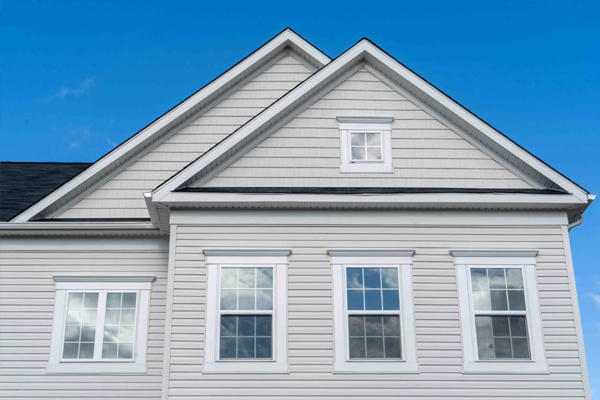


Aluminum siding is a building material used for exterior home cladding that consists of thin aluminum sheets formed into panels. First introduced in the 1940s, aluminum siding gained widespread adoption in residential construction during the 1950s and 1960s due to its practical properties and manufacturing efficiency. The material is produced by rolling aluminum into thin sheets, typically 0.019 to 0.024 inches thick, which are then shaped into interlocking panels.
These panels feature a factory-applied finish, usually a baked-on enamel coating that provides color and weather protection. Standard panel widths range from 4 to 12 inches, with horizontal lap siding being the most common configuration. This guide examines aluminum siding’s performance characteristics, installation methods, maintenance requirements, cost factors, and environmental considerations.
The information presented will help property owners evaluate aluminum siding against other exterior cladding options based on objective criteria including durability, energy efficiency, and long-term value.
Key Takeaways
- Aluminum siding offers a durable and low-maintenance exterior option for homes.
- It comes in various styles and finishes, allowing for versatile aesthetic choices.
- Aluminum siding is environmentally friendly due to its recyclability and energy efficiency.
- Compared to other siding materials, aluminum provides a cost-effective and long-lasting solution.
- Proper installation and regular care enhance the longevity and appearance of aluminum siding.
Benefits of Using Aluminum Siding
One of the primary advantages of aluminum siding is its exceptional resistance to weather-related damage. Unlike wood, which can warp or rot when exposed to moisture, aluminum is impervious to such issues. This makes it an ideal choice for homeowners living in areas prone to heavy rainfall or humidity.
Additionally, aluminum siding is resistant to pests such as termites and other insects that can wreak havoc on wooden structures. This inherent durability translates into lower maintenance costs over time, as homeowners can enjoy peace of mind knowing their siding will withstand the test of time. Another significant benefit of aluminum siding is its energy efficiency.
Many modern aluminum siding products come with insulation options that help regulate indoor temperatures, reducing the need for excessive heating or cooling.
Furthermore, aluminum siding is available in a variety of colors and finishes, allowing homeowners to customize their exteriors to match their personal style while enhancing their home’s overall aesthetic appeal.
Different Styles and Finishes of Aluminum Siding

Aluminum siding is available in a wide array of styles and finishes, making it a versatile option for any architectural design. Homeowners can choose from traditional horizontal panels, vertical boards, or even decorative shingles that mimic the appearance of wood or stone. This variety allows for creative expression and ensures that every home can achieve its desired look without compromising on quality or durability.
In addition to different styles, aluminum siding comes in various finishes that can enhance its visual appeal. Options include smooth finishes for a sleek, modern look or textured finishes that provide depth and character. Homeowners can also select from a spectrum of colors, ranging from classic neutrals to vibrant hues, ensuring that their siding complements the overall design of their home.
With such a diverse selection available, it’s easy to see why aluminum siding remains a favored choice among homeowners looking to make a statement.
Durability and Longevity of Aluminum Siding
When it comes to durability, aluminum siding stands out as one of the most resilient materials on the market. Its ability to withstand harsh weather conditions—such as heavy winds, hail, and extreme temperatures—makes it an excellent investment for homeowners seeking long-term protection. Unlike vinyl siding, which can become brittle over time and may crack under stress, aluminum maintains its structural integrity even in challenging environments.
The longevity of aluminum siding is another compelling reason to consider it for your home. With proper installation and maintenance, aluminum siding can last for several decades without significant deterioration. Many manufacturers offer warranties that extend up to 40 years or more, reflecting their confidence in the product’s durability.
This longevity not only provides homeowners with peace of mind but also enhances the overall value of their property.
Maintenance and Care for Aluminum Siding
| Aluminum Siding Option | Durability (Years) | Finish Type | Maintenance Level | Color Options | Resistance Features | Average Thickness (inches) |
|---|---|---|---|---|---|---|
| Standard Aluminum Siding | 30-40 | Matte or Glossy | Low | 20+ | Rust-resistant, Weatherproof | 0.019 |
| Textured Aluminum Siding | 35-45 | Woodgrain or Stucco Texture | Low | 15+ | Fade-resistant, Impact-resistant | 0.021 |
| Insulated Aluminum Siding | 40-50 | Glossy or Matte | Very Low | 18+ | Energy-efficient, Noise-reducing | 0.025 |
| Perforated Aluminum Siding | 30-40 | Matte | Low | 10+ | Ventilation, Weather-resistant | 0.018 |
| Recycled Aluminum Siding | 35-45 | Glossy or Matte | Low | 12+ | Eco-friendly, Corrosion-resistant | 0.020 |
While aluminum siding is known for its durability, it does require some maintenance to keep it looking its best. Regular cleaning is essential to prevent dirt and grime buildup, which can detract from its appearance over time. Homeowners can easily clean aluminum siding using a mixture of mild detergent and water, applied with a soft brush or sponge.
For tougher stains or mildew, a pressure washer can be used with caution to avoid damaging the surface. In addition to cleaning, it’s important to inspect aluminum siding periodically for any signs of damage or wear. While it is resistant to many forms of damage, dents can occur from impacts or severe weather conditions.
Addressing any issues promptly can help prevent further deterioration and maintain the integrity of the siding. Overall, with minimal effort and attention, homeowners can ensure their aluminum siding remains in excellent condition for years to come.
Environmental Benefits of Aluminum Siding
In today’s environmentally conscious world, many homeowners are seeking sustainable building materials that minimize their ecological footprint. Aluminum siding offers several environmental benefits that make it an attractive option for eco-friendly construction. One of the most significant advantages is that aluminum is highly recyclable; in fact, nearly 75% of all aluminum produced is still in use today due to its recyclability.
This means that choosing aluminum siding contributes to reducing waste and conserving natural resources. Moreover, aluminum siding can help improve energy efficiency in homes. As mentioned earlier, insulated aluminum siding options can significantly reduce energy consumption by maintaining stable indoor temperatures.
This not only lowers utility bills but also decreases greenhouse gas emissions associated with heating and cooling systems. By opting for aluminum siding, homeowners can make a positive impact on the environment while enjoying the benefits of a durable and stylish exterior.
Cost Considerations for Aluminum Siding
When considering new siding for your home, cost is often a significant factor in the decision-making process. Aluminum siding typically falls within a mid-range price point compared to other materials like vinyl or wood. While the initial investment may be higher than some alternatives, the long-term savings associated with durability and low maintenance costs make it an economically sound choice.
It’s also important to factor in installation costs when budgeting for aluminum siding. Professional installation is recommended to ensure proper fitting and performance; however, this can vary based on location and contractor expertise. Homeowners should obtain multiple quotes from reputable contractors to find the best value while ensuring quality workmanship.
Ultimately, while the upfront costs may seem daunting, the longevity and minimal upkeep required for aluminum siding often lead to significant savings over time.
Comparing Aluminum Siding to Other Siding Options
When evaluating siding options for your home, it’s essential to compare aluminum siding with other materials such as vinyl, wood, and fiber cement. Each material has its unique advantages and disadvantages that may influence your decision based on personal preferences and regional considerations. Vinyl siding is often praised for its affordability and low maintenance requirements; however, it may not offer the same level of durability as aluminum.
Wood siding provides a classic aesthetic but requires regular upkeep to prevent rot and insect damage. Fiber cement is known for its strength and fire resistance but can be heavier and more expensive than both vinyl and aluminum options. By weighing these factors against your specific needs and budget, you can make an informed choice that aligns with your vision for your home.
Customization Options for Aluminum Siding
One of the standout features of aluminum siding is its extensive customization options. Homeowners have the freedom to choose from various colors, textures, and styles that suit their personal tastes and architectural preferences. Whether you prefer a sleek modern look or a more traditional appearance reminiscent of wood grain, there are countless options available.
Additionally, many manufacturers offer custom finishes that can enhance the visual appeal of aluminum siding even further. From matte finishes that provide a contemporary feel to glossy options that reflect light beautifully, customization allows homeowners to create a unique exterior that stands out in their neighborhood. This level of personalization ensures that your home not only meets functional needs but also reflects your individual style.
Installation Process for Aluminum Siding
The installation process for aluminum siding typically involves several key steps that require careful planning and execution. First, homeowners should prepare their existing exterior by removing any old siding or debris that may interfere with proper installation. This step ensures a clean surface for the new material and helps prevent moisture issues down the line.
Proper alignment is crucial during this stage to ensure a seamless appearance once installed. After securing the panels in place with appropriate fasteners, installers will finish by sealing edges and joints to protect against water infiltration.
The entire process usually takes one to three days depending on the size of the home and complexity of the installation.
Choosing the Right Aluminum Siding for Your Home
In conclusion, aluminum siding presents an array of benefits that make it an appealing choice for homeowners looking to enhance their property’s exterior while ensuring durability and low maintenance requirements. With various styles and finishes available, along with its environmental advantages and cost-effectiveness over time, aluminum siding stands out as a versatile option in today’s market. As you consider your options for home improvement projects, take the time to evaluate how aluminum siding aligns with your aesthetic preferences, budget constraints, and long-term goals.
By making an informed decision based on thorough research and understanding of this material’s features, you can confidently choose aluminum siding as an investment that will serve your home well for years to come. Don’t hesitate—explore your options today and transform your home’s exterior into a stunning reflection of your style!
If you’re considering stylish and durable aluminum siding options for your home, you might also find it helpful to read about the various advantages of aluminum siding in this informative article. It highlights the benefits of choosing aluminum for your siding needs, including its longevity and low maintenance requirements. You can check it out here: Advantages of Aluminum Siding.
Get Free Estimate (647) 560-9038
FAQs
What are the benefits of aluminum siding?
Aluminum siding is lightweight, durable, and resistant to rust and corrosion. It requires minimal maintenance, is fire-resistant, and can be painted in various colors to match your home’s aesthetic.
How long does aluminum siding typically last?
Aluminum siding can last between 30 to 50 years or more with proper maintenance, making it a long-lasting option for exterior home cladding.
Is aluminum siding energy efficient?
Aluminum siding itself is not highly insulating, but when combined with proper insulation materials, it can contribute to improved energy efficiency by protecting the home from weather elements.
Can aluminum siding be painted or customized?
Yes, aluminum siding can be painted in a wide range of colors. It can also be manufactured in different styles and textures to mimic wood, shingles, or other materials.
How does aluminum siding compare to vinyl siding?
Aluminum siding is more durable and fire-resistant than vinyl siding. It also does not crack or warp in extreme temperatures. However, vinyl siding is often less expensive and available in more color options.
Is aluminum siding environmentally friendly?
Aluminum siding is recyclable, which makes it an environmentally friendly option. Additionally, its durability reduces the need for frequent replacement, minimizing waste.
What maintenance is required for aluminum siding?
Aluminum siding requires occasional cleaning with soap and water to remove dirt and debris. It may also need repainting every 10 to 15 years to maintain its appearance.
Can aluminum siding withstand harsh weather conditions?
Yes, aluminum siding is resistant to wind, rain, and hail. It does not rot or crack, making it suitable for various climates, including coastal and humid areas.
Is aluminum siding prone to dents?
Aluminum siding can dent more easily than some other materials, such as fiber cement. However, modern aluminum siding options are often thicker and more impact-resistant.
How is aluminum siding installed?
Aluminum siding is typically installed by overlapping panels that are nailed to the exterior wall studs. Proper installation includes a moisture barrier and sometimes insulation for enhanced performance.