



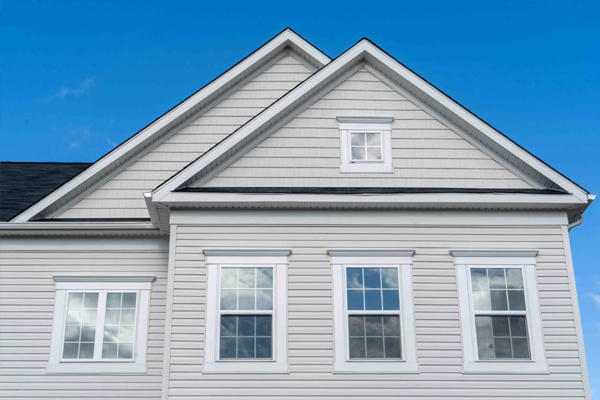


Aluminum soffit and fascia are essential components of modern home construction, playing a crucial role in both aesthetics and functionality. Soffit refers to the material that covers the underside of eaves, while fascia is the board that runs along the edge of the roofline, providing a finished look to the home. Together, they not only enhance the visual appeal of a house but also serve vital purposes in protecting it from the elements.
As homeowners increasingly seek durable and low-maintenance options, aluminum has emerged as a popular choice for these applications.
This article will delve into the various aspects of aluminum soffit and fascia, from their functions and importance to installation processes and maintenance tips.
By understanding these elements, homeowners can make informed decisions that enhance their property’s longevity and curb appeal.
Key Takeaways
- Aluminum soffit and fascia are essential components of a building’s exterior, providing ventilation and protection against the elements.
- Choosing aluminum for soffit and fascia offers durability, low maintenance, and a sleek appearance for your home.
- The installation process for aluminum soffit and fascia is relatively straightforward, but professional installation is recommended for best results.
- Regular maintenance and care for aluminum soffit and fascia can prolong their lifespan and keep them looking great.
- Aluminum soffit and fascia offer environmental benefits such as being recyclable and energy-efficient, making them a sustainable choice for your home.
Understanding the Function and Importance of Soffit and Fascia
Soffit and fascia serve critical functions in a home’s roofing system. The soffit is primarily responsible for ventilation, allowing air to circulate through the attic space. This ventilation is essential for regulating temperature and moisture levels, which can prevent issues such as mold growth and ice dam formation during winter months.
Proper airflow helps maintain a balanced environment within the attic, ultimately contributing to the overall health of the home. Fascia, on the other hand, acts as a protective barrier against water infiltration. It supports the lower edge of the roof and provides a surface for attaching gutters.
By directing rainwater away from the roof and foundation, fascia helps prevent water damage that could lead to costly repairs. Together, soffit and fascia create a cohesive system that not only enhances the home’s appearance but also safeguards its structural integrity.
Choosing the Right Material for Soffit and Fascia

When selecting materials for soffit and fascia, homeowners have several options, including wood, vinyl, and aluminum. Each material comes with its own set of advantages and disadvantages. Wood offers a classic aesthetic but requires regular maintenance to prevent rot and insect damage.
Vinyl is lightweight and low-maintenance but may not provide the same level of durability as aluminum. Aluminum stands out as an excellent choice due to its combination of strength, durability, and low maintenance requirements. It is resistant to rust, corrosion, and fading, making it ideal for various climates.
Additionally, aluminum can be painted or finished in a variety of colors, allowing homeowners to customize their home’s exterior while enjoying the benefits of a long-lasting material.
Advantages of Aluminum Soffit and Fascia
The advantages of aluminum soffit and fascia are numerous, making it a preferred choice among homeowners and builders alike. One of the most significant benefits is its durability. Unlike wood, which can warp or rot over time, aluminum maintains its shape and integrity even in harsh weather conditions.
This resilience translates into a longer lifespan for your home’s exterior components. Another key advantage is the low maintenance required for aluminum soffit and fascia. Homeowners can enjoy peace of mind knowing that these materials do not need regular painting or sealing like wood does.
A simple wash with soap and water is often sufficient to keep them looking new. Furthermore, aluminum is available in various finishes that resist fading, ensuring that your home retains its aesthetic appeal for years to come.
Different Styles and Designs of Aluminum Soffit and Fascia
Aluminum soffit and fascia come in a variety of styles and designs to suit different architectural preferences. Homeowners can choose from vented or non-vented soffit panels, depending on their ventilation needs. Vented panels allow for airflow while maintaining a seamless appearance, making them ideal for homes with attics that require ventilation.
In terms of design, aluminum soffit can be found in various profiles, including traditional flat panels or more decorative options like beadboard or tongue-and-groove styles. The fascia can also be customized with different widths and finishes to complement the overall look of the home. This versatility allows homeowners to achieve a tailored appearance that enhances their property’s curb appeal while ensuring functionality.
Installation Process of Aluminum Soffit and Fascia
Installing aluminum soffit and fascia requires careful planning and execution to ensure a proper fit and finish. The process typically begins with measuring the areas where the soffit and fascia will be installed. Accurate measurements are crucial for cutting the panels to size and ensuring they fit snugly against the roofline.
Once measurements are taken, the next step involves preparing the installation area by removing any old materials or debris. This preparation ensures a clean surface for attaching the new aluminum components. Afterward, installers will secure the fascia boards along the roofline before attaching the soffit panels beneath the eaves.
Proper fastening techniques are essential to prevent sagging or warping over time. For those who prefer a DIY approach, numerous online resources provide detailed instructions on how to install aluminum soffit and fascia effectively.
Maintenance and Care for Aluminum Soffit and Fascia
One of the most appealing aspects of aluminum soffit and fascia is their low maintenance requirements. However, some care is still necessary to keep them looking their best.
Cleaning aluminum soffit and fascia is straightforward; homeowners can use a mixture of mild soap and water along with a soft cloth or sponge to remove dirt and grime. It’s advisable to avoid abrasive cleaners or scrubbers that could scratch the surface. Additionally, ensuring that gutters are clear of debris will help prevent water buildup that could affect both soffit and fascia over time.
Cost Considerations for Aluminum Soffit and Fascia
When considering aluminum soffit and fascia for your home, it’s essential to evaluate the associated costs carefully. The price can vary based on factors such as material quality, design complexity, and installation labor costs. On average, homeowners can expect to pay more for aluminum compared to vinyl or wood; however, this initial investment often pays off in terms of longevity and reduced maintenance expenses.
It’s also important to factor in potential savings from energy efficiency improvements due to better ventilation provided by properly installed soffit systems. By enhancing airflow in your attic space, you may reduce heating and cooling costs over time. Therefore, while upfront costs may be higher, the long-term benefits can make aluminum soffit and fascia a cost-effective choice.
Common Issues and Troubleshooting for Aluminum Soffit and Fascia
Despite their durability, aluminum soffit and fascia can encounter some common issues that homeowners should be aware of. One frequent problem is denting caused by hail or flying debris during storms. While this may not compromise functionality, it can affect aesthetics.
In such cases, minor dents can often be repaired using specialized tools or by hiring professionals. Another issue may arise from improper installation leading to gaps or sagging panels. If you notice any irregularities in your soffit or fascia after installation, it’s crucial to address them promptly to prevent further damage or water infiltration.
Regular inspections can help catch these problems early on before they escalate into more significant concerns.
Environmental Benefits of Aluminum Soffit and Fascia
Choosing aluminum soffit and fascia also has environmental benefits worth considering. Aluminum is highly recyclable; in fact, it can be recycled indefinitely without losing its properties. This characteristic makes it an eco-friendly option compared to other materials that may contribute to landfill waste over time.
Additionally, by improving ventilation in your attic through proper installation of soffit systems, you can enhance your home’s energy efficiency. This efficiency reduces reliance on heating and cooling systems, ultimately lowering your carbon footprint. By opting for aluminum soffit and fascia, homeowners not only invest in their property but also contribute positively to environmental sustainability.
Conclusion and Final Tips for Aluminum Soffit and Fascia Maintenance
In conclusion, aluminum soffit and fascia are invaluable components that enhance both the functionality and aesthetics of your home. Their durability, low maintenance requirements, and environmental benefits make them an excellent choice for homeowners looking to improve their property’s exterior while ensuring long-term protection against the elements. To maintain your aluminum soffit and fascia effectively, remember to conduct regular inspections for damage or wear, clean them periodically with mild soap solutions, and ensure gutters are free from debris.
By following these simple tips, you can enjoy the beauty and functionality of your aluminum soffit and fascia for many years to come. If you’re considering an upgrade or installation project, don’t hesitate to consult with professionals who can guide you through the process efficiently while ensuring high-quality results.
For those looking to enhance their home’s exterior, understanding the benefits of aluminum materials is crucial. In addition to learning about aluminum soffit and fascia in our guide, you may find it helpful to read about the advantages of aluminum siding in this article: Advantages of Aluminum Siding. This resource provides insights into why aluminum siding is a durable and cost-effective choice for homeowners.
Get Free Estimate (647) 560-9038
FAQs
What is aluminum soffit and fascia?
Aluminum soffit and fascia are components of a building’s exterior that are used to protect the roof overhang and provide a finished look to the eaves.
What are the benefits of using aluminum soffit and fascia?
Aluminum soffit and fascia are durable, low-maintenance, and resistant to rot, decay, and insect damage. They also provide ventilation for the attic and help prevent moisture buildup.
How do you install aluminum soffit and fascia?
Aluminum soffit and fascia are typically installed by professionals, but DIY installation is possible with the right tools and knowledge. The process involves measuring, cutting, and securing the components to the eaves of the building.
What are the different styles and colors available for aluminum soffit and fascia?
Aluminum soffit and fascia come in a variety of styles, including solid, vented, and beaded, and can be painted in a range of colors to match the building’s exterior.
How do you maintain aluminum soffit and fascia?
Aluminum soffit and fascia require minimal maintenance, typically only needing occasional cleaning with a mild detergent and water to remove dirt and debris. Inspecting for any damage or wear is also recommended.