
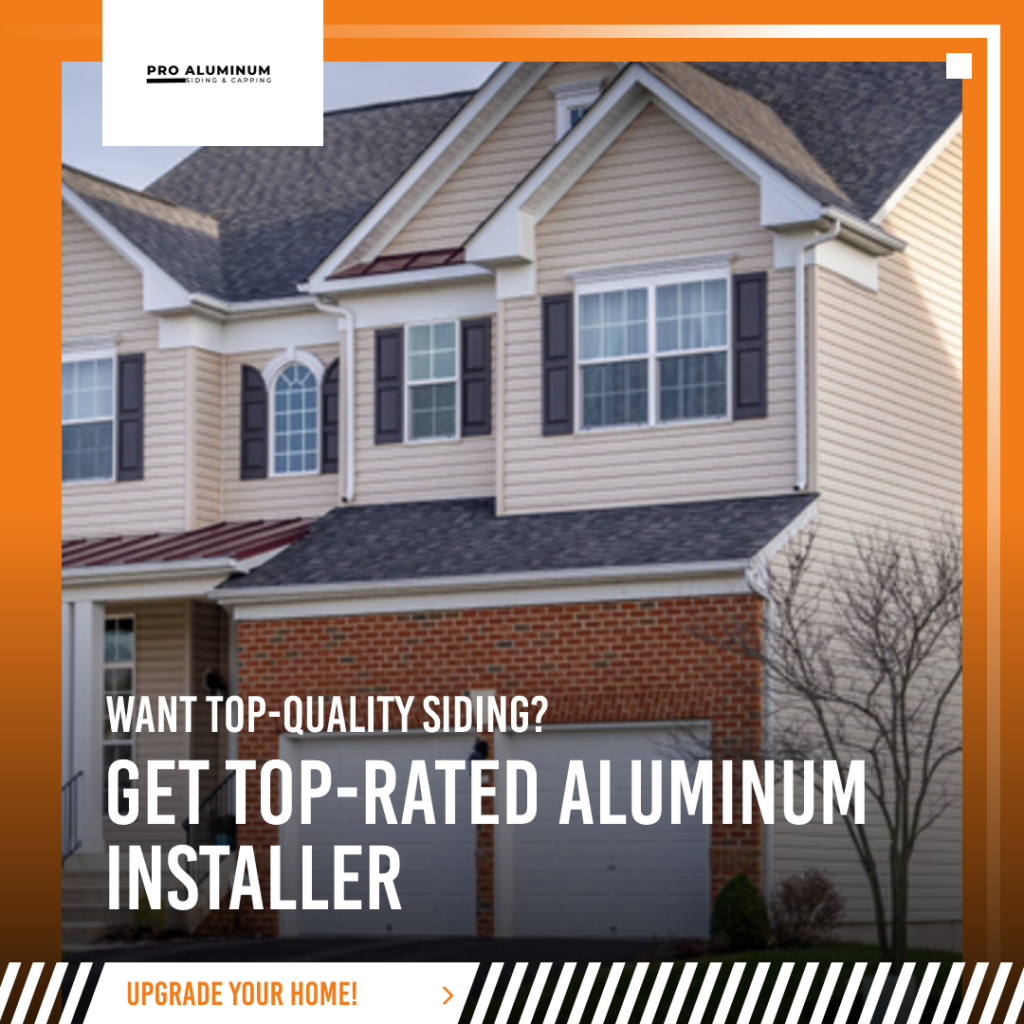


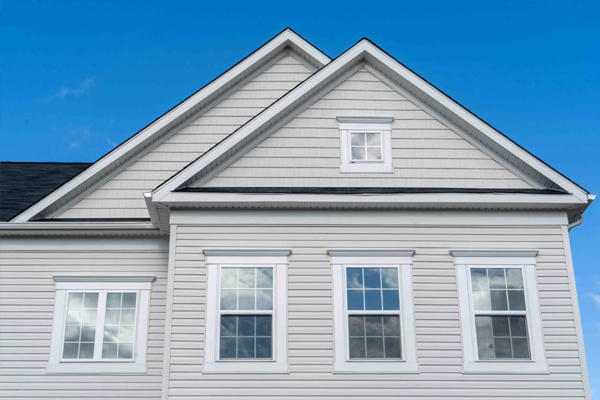


Aluminum capping has emerged as a popular choice for homeowners looking to enhance the durability and aesthetic appeal of their properties. This innovative exterior solution involves covering wooden surfaces, such as window sills, door frames, and fascia boards, with a protective layer of aluminum. The result is a sleek, modern finish that not only elevates the visual appeal of a home but also provides long-lasting protection against the elements.
As homeowners increasingly seek low-maintenance options that offer both functionality and style, aluminum capping stands out as a practical solution. The versatility of aluminum capping makes it suitable for various architectural styles, from contemporary to traditional. With a wide range of colors and finishes available, homeowners can easily find an option that complements their existing exterior design.
Additionally, aluminum capping is resistant to rot, rust, and fading, ensuring that it maintains its appearance and structural integrity over time.
Key Takeaways
- Aluminum capping protects and enhances home exteriors with durable, low-maintenance coverage.
- Selecting the right color and style of aluminum capping can significantly boost curb appeal.
- Proper measurement and preparation are essential for a smooth aluminum capping installation.
- Aluminum capping improves energy efficiency by providing an extra layer of insulation.
- Compared to other exterior options, aluminum capping offers a cost-effective and long-lasting home improvement solution.
Benefits of Aluminum Capping for Home Exteriors
One of the primary advantages of aluminum capping is its exceptional durability. Unlike wood, which can warp, crack, or rot over time due to exposure to moisture and temperature fluctuations, aluminum remains stable and resilient. This durability translates into lower maintenance costs for homeowners, as they will not need to frequently repaint or replace deteriorating materials.
Furthermore, aluminum is impervious to pests such as termites, which can wreak havoc on wooden structures. By opting for aluminum capping, homeowners can enjoy peace of mind knowing their investment is protected. In addition to its durability, aluminum capping offers significant aesthetic benefits.
The sleek finish of aluminum can instantly modernize a home’s exterior, providing a polished look that enhances curb appeal. Homeowners can choose from a variety of colors and textures to match their personal style and the overall design of their property. Whether you prefer a classic white finish or a bold color that makes a statement, aluminum capping can be customized to suit your preferences.
This versatility allows homeowners to create a cohesive look that enhances the overall charm of their home.
Choosing the Right Color and Style for Aluminum Capping

Selecting the appropriate color and style for aluminum capping is crucial in achieving a harmonious exterior design. When considering color options, it’s essential to take into account the existing color palette of your home. Neutral shades like white, beige, or gray can provide a timeless look that complements various architectural styles.
On the other hand, bolder colors can add personality and make your home stand out in the neighborhood. It’s advisable to obtain samples and visualize how different colors will look in natural light before making a final decision. In addition to color, the style of aluminum capping should align with your home’s architectural features.
For instance, if you have a traditional-style home, opting for a more classic profile may be appropriate. Conversely, modern homes may benefit from sleek lines and minimalist designs. Homeowners should also consider the finish of the aluminum; options such as matte or glossy finishes can significantly impact the overall appearance.
By carefully selecting both color and style, homeowners can ensure that their aluminum capping enhances their home’s exterior while reflecting their personal taste.
How to Measure and Order Aluminum Capping for Your Home
Accurate measurements are critical when ordering aluminum capping to ensure a proper fit and seamless installation. Begin by measuring the areas where you plan to install the capping, such as window frames or door sills. Use a tape measure to obtain precise dimensions, taking care to measure both width and height.
It’s advisable to measure multiple times to avoid any discrepancies that could lead to ordering incorrect sizes. Once you have your measurements, it’s time to place your order. Many suppliers offer online ordering options where you can input your dimensions and select your desired color and style.
Alternatively, visiting a local home improvement store can provide you with hands-on assistance from knowledgeable staff who can guide you through the ordering process. Be sure to double-check your measurements before finalizing your order to prevent any costly mistakes.
Preparing Your Home for Aluminum Capping Installation
| Metric | Details | Benefits |
|---|---|---|
| Material Thickness | 0.040″ to 0.063″ | Durability and resistance to dents |
| Color Options | Over 20 standard colors + custom finishes | Enhances curb appeal and matches home style |
| Installation Time | 1-3 days (depending on home size) | Quick transformation with minimal disruption |
| Maintenance | Low – occasional cleaning | Long-lasting appearance with minimal upkeep |
| Weather Resistance | UV, moisture, and rust resistant | Protects wood and extends exterior lifespan |
| Cost Efficiency | Long-term savings on repairs and repainting | Reduces maintenance expenses over time |
| Environmental Impact | Recyclable material | Eco-friendly choice for sustainable homes |
Before installation begins, it’s essential to prepare your home adequately. Start by clearing the area around the windows or doors where the capping will be applied. Remove any obstructions such as plants or outdoor furniture that may hinder access for installers.
Additionally, inspect the surfaces that will be capped; any existing paint or debris should be removed to ensure proper adhesion of the aluminum. If there are any signs of damage or decay on the underlying wood surfaces, it’s crucial to address these issues before proceeding with installation. Repairing or replacing damaged wood will not only enhance the effectiveness of the aluminum capping but also prolong its lifespan.
Once everything is cleared and repaired, you’ll be ready for a smooth installation process.
The Installation Process of Aluminum Capping
The installation of aluminum capping is typically best left to professionals who have experience with this type of work. However, understanding the general process can help homeowners appreciate what goes into this transformative project. The first step involves cutting the aluminum pieces to fit the specific dimensions of your home’s features accurately.
This requires precision and skill to ensure clean edges and proper alignment. Once cut, the installer will apply a weather-resistant adhesive to the underlying surface before carefully positioning the aluminum capping in place. Fasteners may also be used for added security, ensuring that the capping remains firmly attached over time.
After installation, any seams or joints will be sealed to prevent moisture infiltration and enhance durability. The entire process typically takes only a few hours but can vary depending on the size of the project.
Maintaining and Cleaning Aluminum Capping
One of the most appealing aspects of aluminum capping is its low maintenance requirements. Unlike wood that may require regular painting or staining, aluminum simply needs occasional cleaning to maintain its appearance. Homeowners should aim to clean their aluminum capping at least once or twice a year using mild soap and water along with a soft cloth or sponge.
For tougher stains or grime buildup, a non-abrasive cleaner may be used; however, it’s essential to avoid harsh chemicals that could damage the finish. Regular maintenance not only keeps your aluminum capping looking fresh but also helps prevent any potential issues related to dirt accumulation or corrosion over time.
Enhancing Curb Appeal with Aluminum Capping
Aluminum capping can significantly enhance your home’s curb appeal by providing a polished and modern look that attracts attention. The clean lines and sleek finish create an inviting atmosphere that can make your property stand out in your neighborhood. When combined with other exterior improvements such as landscaping or new siding, aluminum capping can elevate your home’s overall aesthetic.
Additionally, thoughtful color choices can further enhance curb appeal. For instance, contrasting colors between your home’s siding and aluminum capping can create visual interest while maintaining harmony with other design elements. By investing in aluminum capping, homeowners not only improve their property’s appearance but also increase its market value.
Increasing Energy Efficiency with Aluminum Capping
Another significant benefit of aluminum capping is its potential to improve energy efficiency in your home. By sealing gaps around windows and doors with durable aluminum materials, homeowners can reduce drafts and prevent heat loss during colder months. This added insulation helps maintain a consistent indoor temperature, ultimately leading to lower energy bills.
Moreover, aluminum reflects sunlight rather than absorbing it like darker materials might do; this characteristic can help keep your home cooler during hot summer months. As energy efficiency becomes increasingly important for homeowners looking to reduce their carbon footprint and save on utility costs, aluminum capping presents an effective solution.
Comparing Aluminum Capping to Other Exterior Home Improvement Options
When considering exterior home improvement options, it’s essential to compare aluminum capping with alternatives such as vinyl siding or traditional wood trim. While vinyl siding offers low maintenance similar to aluminum capping, it may lack the same level of durability and aesthetic appeal that aluminum provides. Wood trim requires more upkeep due to its susceptibility to rot and pests but offers a classic look that some homeowners prefer.
Ultimately, choosing aluminum capping often strikes a balance between aesthetics and practicality. It provides an attractive finish while minimizing maintenance needs over time—making it an appealing choice for many homeowners looking for long-lasting solutions.
Transforming Your Home Exterior with Aluminum Capping
In conclusion, aluminum capping presents an excellent opportunity for homeowners seeking to enhance their property’s exterior while enjoying numerous practical benefits. From its durability and low maintenance requirements to its ability to improve energy efficiency and curb appeal, aluminum capping is an investment worth considering for any homeowner looking to transform their space. As you embark on this journey toward upgrading your home’s exterior, take the time to explore color options, styles, and professional installation services available in your area.
With careful planning and execution, you can achieve a stunning transformation that not only elevates your home’s appearance but also protects it for years to come. Don’t wait—start exploring how aluminum capping can redefine your home today!
Transforming your home exterior with aluminum capping can significantly enhance its aesthetic appeal and durability. For those interested in further improving their home’s exterior, you might find the article on top-notch porch and dormer repair particularly useful. This resource provides insights into maintaining and upgrading these key areas of your home, ensuring that your exterior not only looks great but also stands the test of time.
Get Free Estimate (647) 560-9038
FAQs
What is aluminum capping for home exteriors?
Aluminum capping is a protective covering made from aluminum that is installed over existing exterior surfaces, such as wood trim or siding, to enhance durability and reduce maintenance.
What are the benefits of using aluminum capping on my home exterior?
Aluminum capping provides weather resistance, prevents water damage, reduces the need for painting or staining, and can improve the overall appearance of your home by giving it a clean, modern look.
Is aluminum capping suitable for all types of homes?
Aluminum capping can be applied to most types of homes, especially those with wood trim or siding that require protection from the elements. However, it is best to consult with a professional to determine suitability based on your specific home materials and condition.
How long does aluminum capping typically last?
When properly installed and maintained, aluminum capping can last 20 to 30 years or more, providing long-term protection and aesthetic appeal.
Does aluminum capping require regular maintenance?
Aluminum capping is low maintenance compared to wood. It generally requires occasional cleaning to remove dirt and debris but does not need painting or sealing.
Can aluminum capping improve my home’s energy efficiency?
While aluminum capping primarily protects and enhances the exterior, it can contribute to energy efficiency by sealing gaps and reducing drafts when properly installed.
Is aluminum capping environmentally friendly?
Aluminum is a recyclable material, and using aluminum capping can extend the life of existing materials, reducing waste. Additionally, its durability means fewer replacements over time.
How is aluminum capping installed?
Installation involves measuring and cutting aluminum panels to fit over existing trim or siding, then securing them with nails or screws. It is recommended to hire a professional for proper installation to ensure a tight, weatherproof fit.
Can aluminum capping be painted or customized?
Yes, aluminum capping is available in various colors and finishes, and it can also be painted if desired to match your home’s exterior design.
What is the cost range for aluminum capping installation?
Costs vary depending on the size of the home, the extent of capping needed, and labor rates in your area. It is best to obtain quotes from local contractors for an accurate estimate.