





**The Unmatched Advantages of Modern Building Materials** In the ever-evolving landscape of construction and architecture, the choice of materials plays a pivotal role in determining the overall quality, sustainability, and aesthetic appeal of a structure. Among the myriad options available, certain materials stand out due to their exceptional properties. This article delves into the numerous benefits of modern building materials, highlighting their durability, low maintenance requirements, energy efficiency, and more.
Key Takeaways
- Steel offers exceptional durability and long lifespan for construction projects.
- It requires minimal maintenance, reducing long-term upkeep costs.
- Steel is energy-efficient, contributing to sustainable building practices.
- Its versatility allows for diverse and innovative architectural designs.
- Steel is corrosion-resistant, fire-resistant, recyclable, lightweight, and enhances property value.
Modern building materials offer exceptional durability and longevity compared to traditional options. Engineered materials like fiber-reinforced polymers and advanced composites provide superior strength-to-weight ratios, enabling structures to withstand harsh weather, seismic events, and heavy loads more effectively. The extended lifespan of these materials significantly reduces replacement costs and renovation frequency.
This provides financial benefits to property owners while offering security regarding their structural investments. The enhanced durability not only extends building lifespans but also promotes sustainability in construction by reducing waste generation and resource consumption throughout the building’s life cycle.
Low Maintenance
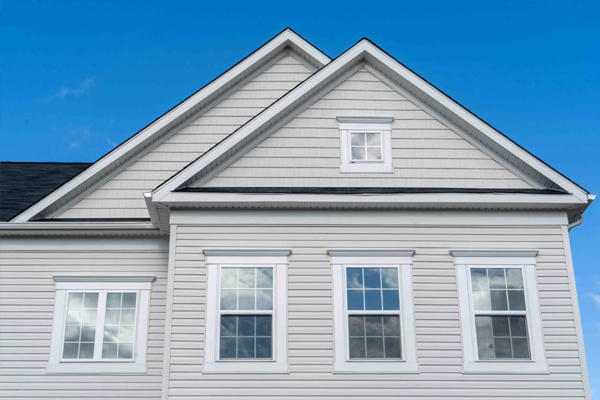
In addition to their durability, modern building materials often require minimal maintenance compared to traditional options. For example, materials like vinyl siding and composite decking are designed to resist fading, cracking, and warping, which means they do not need regular painting or sealing. This low-maintenance characteristic is particularly appealing to homeowners who wish to spend less time on upkeep and more time enjoying their living spaces.
Furthermore, the reduced need for maintenance translates into cost savings over the long term. With fewer repairs and replacements required, property owners can allocate their resources more effectively. This aspect is especially beneficial for commercial properties where operational efficiency is paramount.
By choosing low-maintenance materials, businesses can focus on their core activities rather than being bogged down by constant upkeep.
Energy Efficiency

Energy efficiency is a critical consideration in modern construction, and many contemporary building materials are designed with this goal in mind. Insulation materials such as spray foam and rigid foam boards provide superior thermal resistance, helping to maintain comfortable indoor temperatures while reducing energy consumption. This not only leads to lower utility bills but also contributes to a smaller carbon footprint.
Additionally, energy-efficient windows and doors made from advanced glazing technologies can significantly reduce heat loss in winter and heat gain in summer. By incorporating these materials into a building’s design, homeowners and builders can create structures that are not only comfortable but also environmentally responsible. The long-term benefits of energy efficiency extend beyond individual properties; they contribute to a collective effort toward sustainability in the construction industry.
Versatility in Design
Modern building materials offer unparalleled versatility in design, allowing architects and builders to push the boundaries of creativity. From sleek metal panels to textured concrete finishes, the range of options available enables the creation of unique and visually striking structures. This versatility is particularly advantageous in urban environments where aesthetic appeal can significantly impact property value.
Moreover, many contemporary materials can be easily customized to meet specific design requirements. For instance, modular construction techniques allow for rapid assembly while maintaining high standards of quality and precision. This adaptability not only enhances the visual appeal of a building but also facilitates innovative architectural solutions that cater to diverse needs and preferences.
Resistance to Corrosion
| Metric | Description | Benefit |
|---|---|---|
| Durability | Resistant to rust, corrosion, and weather damage | Long-lasting exterior with minimal maintenance |
| Weight | Lightweight compared to other metals like steel | Easier installation and reduced structural load |
| Energy Efficiency | Reflects heat and sunlight effectively | Helps keep home cooler, reducing energy costs |
| Maintenance | Requires little to no painting or sealing | Lower upkeep and long-term savings |
| Recyclability | 100% recyclable material | Environmentally friendly and sustainable choice |
| Cost Efficiency | Competitive initial cost with long lifespan | Better value over time compared to other materials |
| Aesthetic Versatility | Available in various colors and finishes | Customizable look to match home design |
Corrosion resistance is another critical advantage of modern building materials, particularly in environments exposed to moisture or harsh chemicals. Materials such as stainless steel and aluminum are engineered to resist rust and degradation, ensuring that structures remain safe and aesthetically pleasing over time. This property is especially important for coastal buildings or industrial facilities where exposure to saltwater or corrosive substances is common.
The resistance to corrosion not only extends the lifespan of a structure but also reduces maintenance costs associated with repairs or replacements due to material degradation. By investing in corrosion-resistant materials, property owners can ensure that their buildings remain functional and attractive for years to come, ultimately enhancing their overall value.
Environmental Benefits

The environmental benefits of modern building materials cannot be overstated. Many contemporary options are designed with sustainability in mind, utilizing recycled content or renewable resources in their production. For example, bamboo is a rapidly renewable material that offers strength comparable to traditional hardwoods while minimizing deforestation impacts.
Additionally, the use of eco-friendly materials contributes to improved indoor air quality by reducing the emission of volatile organic compounds (VOCs). This is particularly important in residential settings where occupants spend significant amounts of time indoors. By choosing environmentally friendly materials, builders can create healthier living spaces while also supporting broader sustainability goals within the construction industry.
Lightweight and Easy to Install
The lightweight nature of many modern building materials simplifies the construction process significantly. Materials such as engineered wood products and lightweight concrete panels are easier to handle and transport, reducing labor costs and construction time. This ease of installation is particularly beneficial for projects with tight deadlines or limited access.
Furthermore, lightweight materials can contribute to overall structural efficiency by reducing the load on foundations and supporting systems. This not only streamlines the construction process but also allows for more innovative architectural designs that may not be feasible with heavier traditional materials.
Cost-Effectiveness
Cost-effectiveness is a crucial factor for both residential and commercial construction projects. Modern building materials often provide long-term savings through their durability, low maintenance requirements, and energy efficiency. While some advanced materials may have a higher upfront cost, their longevity and reduced operational expenses can lead to significant savings over time.
By carefully considering the total cost of ownership rather than just initial expenses, builders can make informed decisions that benefit both their budgets and the environment.
Fire Resistance
Fire resistance is an essential consideration in building design, particularly in areas prone to wildfires or where fire safety regulations are stringent. Many modern building materials are engineered to be fire-resistant or non-combustible, providing an added layer of safety for occupants and property owners alike. For instance, fiber cement siding and certain types of metal roofing can withstand high temperatures without compromising structural integrity.
Incorporating fire-resistant materials into a building’s design not only enhances safety but can also lead to lower insurance premiums for property owners. By prioritizing fire safety through material selection, builders can create structures that protect lives and investments while adhering to regulatory standards.
Recyclability
The recyclability of modern building materials is another compelling advantage that aligns with sustainable construction practices. Many contemporary options are designed with end-of-life considerations in mind, allowing them to be repurposed or recycled once they reach the end of their useful life. For example, metals like steel and aluminum can be recycled indefinitely without losing their properties.
This focus on recyclability not only reduces waste sent to landfills but also conserves natural resources by minimizing the need for new raw materials. By choosing recyclable materials, builders contribute to a circular economy that prioritizes sustainability and resource efficiency.
Increased Property Value
Finally, investing in modern building materials can significantly increase property value over time. Structures built with durable, low-maintenance, energy-efficient, and aesthetically pleasing materials tend to attract higher market interest. Potential buyers are often willing to pay a premium for homes that offer long-term savings on maintenance and energy costs while providing a comfortable living environment.
Moreover, properties constructed with environmentally friendly materials may qualify for green certifications or incentives that further enhance their marketability. As sustainability becomes an increasingly important factor for homebuyers and investors alike, properties built with modern materials are well-positioned to command higher prices in competitive real estate markets. In conclusion, the advantages of modern building materials are vast and varied, encompassing durability, low maintenance requirements, energy efficiency, design versatility, corrosion resistance, environmental benefits, lightweight properties, cost-effectiveness, fire resistance, recyclability, and increased property value.
As builders and homeowners continue to prioritize sustainability and innovation in construction practices, these materials will play an essential role in shaping the future of architecture. Embracing these advancements not only enhances individual projects but also contributes to a more sustainable built environment for generations to come. If you’re considering a new construction project or renovation, explore the possibilities offered by modern building materials today!
When considering the benefits of aluminum for your home exterior, it’s essential to explore various aspects of this versatile material. For instance, you might find the article on the advantages of aluminum siding particularly informative, as it delves into the numerous benefits that aluminum siding offers, including durability, low maintenance, and energy efficiency. This can help you make a more informed decision about enhancing your home’s exterior with aluminum.
Get Free Estimate (647) 560-9038
FAQs
What are the benefits of using aluminum for home exteriors?
Aluminum is lightweight, durable, and resistant to rust and corrosion. It requires minimal maintenance, is recyclable, and can be finished in a variety of colors and styles, making it a versatile choice for home exteriors.
Is aluminum siding energy efficient?
Yes, aluminum siding can be energy efficient, especially when combined with proper insulation. It reflects heat, helping to keep homes cooler in the summer and can contribute to overall energy savings.
How does aluminum compare to other exterior materials like wood or vinyl?
Aluminum is more durable and requires less maintenance than wood, which can rot or warp. Compared to vinyl, aluminum is more resistant to impact and can be recycled, making it an environmentally friendly option.
Is aluminum siding environmentally friendly?
Yes, aluminum is highly recyclable and often contains a significant percentage of recycled material. Its long lifespan and recyclability make it an eco-friendly choice for home exteriors.
Can aluminum siding withstand harsh weather conditions?
Aluminum siding is resistant to rust, corrosion, and can withstand various weather conditions including rain, snow, and wind. However, it can dent upon impact, so proper installation and maintenance are important.
How often does aluminum siding need to be maintained or painted?
Aluminum siding requires minimal maintenance. It may need repainting every 10-15 years depending on exposure to elements, but it does not require frequent upkeep like wood siding.
Is aluminum siding cost-effective?
Aluminum siding is generally cost-effective due to its durability, low maintenance requirements, and long lifespan. Initial installation costs may vary, but it often proves economical over time.
Can aluminum siding be customized to match my home’s design?
Yes, aluminum siding is available in a wide range of colors, finishes, and styles, allowing homeowners to customize the look to complement their home’s architecture.