



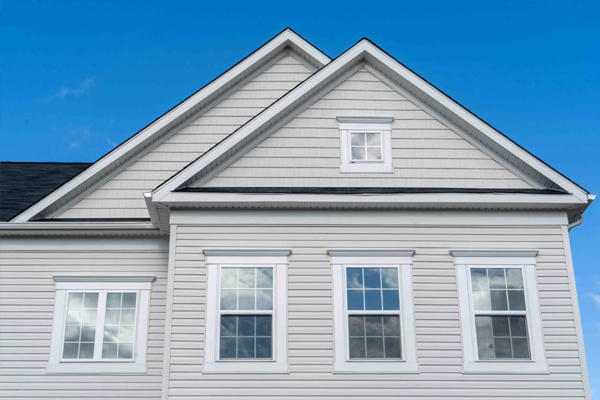


Winter can be a challenging season for homeowners, particularly when it comes to maintaining the exterior of their homes. Aluminum siding, while known for its durability and low maintenance, is not immune to the harsh effects of winter weather. Cold temperatures, snow accumulation, and ice can all take a toll on aluminum siding, leading to potential damage if not properly managed.
Understanding these effects is crucial for homeowners who want to preserve the integrity and appearance of their homes throughout the winter months. One of the primary concerns during winter is the formation of ice and snow on aluminum siding. When snow accumulates, it can create a heavy load that may lead to bending or warping of the siding panels.
Additionally, the freeze-thaw cycle can cause moisture to seep into small cracks or gaps, leading to further deterioration over time. Homeowners should be aware that while aluminum siding is resistant to rust and corrosion, prolonged exposure to moisture can still lead to issues such as paint peeling or fading, which can detract from the overall aesthetic of the home.
Key Takeaways
- Winter can cause aluminum siding to contract, crack, or become damaged due to cold temperatures and moisture.
- Proper cleaning and inspection before winter help identify and address existing damage or wear.
- Protecting siding from snow, ice, and ice dams prevents water infiltration and structural issues.
- Maintaining ventilation, removing snow safely, and ensuring gutters are clear reduce the risk of damage.
- Regular professional inspections and timely repairs extend the lifespan of aluminum siding through winter.
Cleaning and Preparing Your Aluminum Siding for Winter
Before winter sets in, it is essential to clean and prepare your aluminum siding to ensure it can withstand the elements. A thorough cleaning not only enhances the appearance of your home but also helps prevent dirt and grime from accumulating, which can trap moisture and lead to damage. Start by using a soft-bristle brush or a pressure washer on a low setting to remove any dirt, mold, or mildew that may have built up over time.
Be sure to use a mild detergent mixed with water for effective cleaning without damaging the siding. Once the siding is clean, it’s important to inspect for any signs of wear or damage that may need attention before winter arrives.
Taking the time to address these issues now can save you from more significant problems later on. After cleaning and inspecting, consider applying a protective wax or sealant specifically designed for aluminum siding. This will provide an additional layer of protection against moisture and help maintain the siding’s shine throughout the winter months.
Inspecting for Damage and Wear

Regular inspections of your aluminum siding are vital in identifying any damage or wear that could worsen during winter. Look for signs such as dents, scratches, or areas where the paint has begun to chip away. These imperfections can allow moisture to penetrate beneath the surface, leading to rust or corrosion over time.
Pay special attention to seams and joints where panels meet, as these areas are often more susceptible to damage. In addition to visual inspections, it’s wise to check for any loose or missing fasteners that could compromise the integrity of your siding. If you notice any issues during your inspection, it’s best to address them promptly.
Ignoring minor damage can lead to more extensive repairs down the line, especially when winter weather exacerbates existing problems. By being proactive in your inspections, you can ensure that your aluminum siding remains in good condition throughout the cold months.
Protecting Your Aluminum Siding from Snow and Ice
To protect your aluminum siding from the harsh effects of snow and ice, consider implementing several preventive measures. One effective strategy is to ensure that your roof is in good condition before winter arrives. A well-maintained roof will help prevent excessive snow accumulation and reduce the risk of ice dams forming along the edges of your roofline.
Ice dams can lead to water pooling on your siding, which can cause significant damage over time. Another way to protect your siding is by ensuring proper drainage around your home. Make sure that gutters and downspouts are clear of debris so that melting snow and ice can flow freely away from your home’s foundation.
Additionally, consider using a snow rake to remove heavy snow buildup from your roof before it has a chance to slide down onto your siding. This simple tool can help prevent damage caused by falling snow and ice while also reducing the risk of ice dams forming.
Preventing Ice Dams and Icicles
Ice dams and icicles can pose serious threats to aluminum siding during winter months. Ice dams form when heat escapes from your home’s interior into the attic space, causing snow on the roof to melt and then refreeze at the eaves where it’s colder. This cycle creates a dam of ice that prevents proper drainage, leading to water pooling on your roof and potentially seeping under shingles or siding.
Adequate insulation will help keep heat from escaping into the attic space, while proper ventilation allows cold air to circulate, keeping roof temperatures consistent. Additionally, consider installing heating cables along the roof’s edge to help melt snow before it has a chance to freeze into ice dams.
By taking these preventive measures, you can protect both your roof and aluminum siding from winter-related damage.
Maintaining Proper Ventilation and Air Circulation
Proper ventilation and air circulation are critical components in maintaining the health of your home during winter months. Inadequate ventilation can lead to moisture buildup in attics and crawl spaces, which can contribute to mold growth and damage not only your aluminum siding but also other structural elements of your home. Ensuring that your attic has sufficient airflow will help regulate temperature and humidity levels.
To maintain proper ventilation, check that all vents are clear of obstructions such as insulation or debris. Installing soffit vents can also enhance airflow by allowing cool air to enter while warm air escapes through ridge vents at the top of the attic. This balanced airflow helps prevent condensation from forming on surfaces that could lead to water damage over time.
By prioritizing ventilation, you create a healthier environment for both your home’s structure and its exterior materials.
Removing Snow and Ice Buildup Safely
When snow accumulates on your aluminum siding or roof, it’s essential to remove it safely to prevent damage. Using a shovel or broom with a soft bristle head is recommended for clearing snow from siding surfaces without scratching or denting the material. Avoid using metal tools or sharp objects that could cause harm; instead, opt for gentler methods that will protect your siding’s finish.
For ice buildup, consider using a plastic shovel or an ice melt product specifically designed for use on aluminum surfaces. Be cautious with traditional rock salt or other harsh chemicals, as they can cause corrosion over time. If ice is particularly stubborn, you may need to let it thaw naturally rather than forcing it off with tools that could cause damage.
By taking care when removing snow and ice buildup, you can help preserve the integrity of your aluminum siding throughout winter.
Checking for Leaks and Water Damage
As winter progresses, it’s crucial to keep an eye out for leaks and water damage that may arise due to melting snow or ice accumulation. Inspect areas around windows, doors, and seams where water may infiltrate if not properly sealed. Look for signs such as discoloration on walls or ceilings inside your home, which could indicate water intrusion from outside.
If you suspect leaks or notice water damage, it’s essential to address these issues promptly before they escalate into more significant problems. Water intrusion can lead not only to structural damage but also create an environment conducive to mold growth within your home. Regularly checking for leaks will help you maintain a safe and healthy living environment while protecting your aluminum siding from potential harm.
Repairing and Sealing Any Damaged Areas
If you discover any damaged areas during your inspections, it’s vital to repair and seal them as soon as possible. Small dents or scratches may be easily fixed with touch-up paint designed for aluminum surfaces; however, more significant damage may require replacing entire panels or sections of siding. Addressing these issues promptly will help prevent further deterioration caused by moisture infiltration.
In addition to repairing visible damage, consider applying a high-quality sealant around seams and joints where water may enter. This extra layer of protection will help keep moisture at bay during winter months when precipitation is more likely. By taking proactive steps in repairing and sealing damaged areas, you can extend the lifespan of your aluminum siding while maintaining its appearance.
Maintaining Gutters and Downspouts
Gutters and downspouts play a crucial role in directing water away from your home’s foundation and protecting your aluminum siding from water damage during winter months. Regular maintenance is essential to ensure they function correctly throughout the season. Start by clearing out any leaves or debris that may have accumulated in gutters before winter arrives; this will help prevent blockages that could lead to overflowing gutters during heavy snowfall or rain.
Additionally, inspect downspouts for any signs of damage or misalignment that could hinder proper drainage. Ensure they direct water away from your home’s foundation rather than allowing it to pool near the base of your house. If necessary, consider extending downspouts further away from your home for added protection against water intrusion.
By maintaining gutters and downspouts effectively, you can safeguard both your aluminum siding and overall home structure during winter.
Professional Maintenance and Inspection
While many homeowners are capable of performing basic maintenance tasks on their aluminum siding, enlisting professional help for thorough inspections and maintenance can provide peace of mind during winter months. Professional contractors have the expertise needed to identify potential issues that may go unnoticed by untrained eyes. They can also offer specialized services such as power washing or sealing that ensure optimal protection against winter weather.
Investing in professional maintenance not only extends the lifespan of your aluminum siding but also enhances its overall appearance and performance throughout harsh weather conditions. Consider scheduling an annual inspection before winter sets in; this proactive approach will help you address any concerns early on while ensuring that your home remains safe and secure against winter elements. In conclusion, taking proactive steps in maintaining aluminum siding during winter is essential for preserving its integrity and appearance over time.
From cleaning and inspecting for damage to ensuring proper ventilation and drainage systems are in place, each action contributes significantly toward protecting your home against harsh weather conditions. Don’t wait until problems arise—start preparing today!
To ensure your aluminum siding remains in optimal condition throughout the winter months, it’s essential to follow proper maintenance practices. For additional insights on the durability and cost-effectiveness of aluminum siding, you may find the article on aluminum siding’s benefits particularly helpful. This resource provides valuable information that complements your winter maintenance efforts, ensuring your siding not only withstands the cold but also continues to enhance your home’s exterior.
Get Free Estimate (647) 560-9038
FAQs
How should I prepare my aluminum siding for winter?
Before winter sets in, clean your aluminum siding thoroughly to remove dirt and debris. Inspect for any damage or loose panels and repair them to prevent further issues caused by cold weather and moisture.
Can I wash aluminum siding during winter?
Yes, you can wash aluminum siding in winter, but choose a mild day when temperatures are above freezing to avoid water freezing on the surface. Use warm water and a gentle detergent, and rinse thoroughly.
What cleaning products are safe for aluminum siding?
Use mild detergents or specialized siding cleaners that are non-abrasive and free of harsh chemicals. Avoid bleach or strong solvents that can damage the finish of aluminum siding.
How do I prevent ice damage to aluminum siding?
Ensure gutters and downspouts are clear to prevent ice dams. Proper insulation and ventilation in your attic can also reduce ice buildup that might affect siding. Promptly remove snow accumulation near the siding to minimize moisture exposure.
Is it necessary to repaint aluminum siding after winter?
Repainting is not always necessary unless the paint is peeling or damaged. Inspect your siding after winter and touch up any areas where the paint has worn off to protect the metal from corrosion.
How often should I inspect my aluminum siding during winter?
It is advisable to inspect your siding at least once during the winter season, especially after severe weather events, to identify and address any damage early.
Can cold temperatures cause aluminum siding to crack?
Aluminum siding is flexible and designed to withstand temperature changes, but extreme cold combined with physical impact can cause dents or cracks. Handle with care and avoid striking the siding with hard objects during winter.
What maintenance tips help extend the life of aluminum siding?
Regular cleaning, prompt repairs of dents or loose panels, ensuring proper drainage, and protecting the siding from harsh impacts will help maintain its appearance and durability through winter and beyond.