
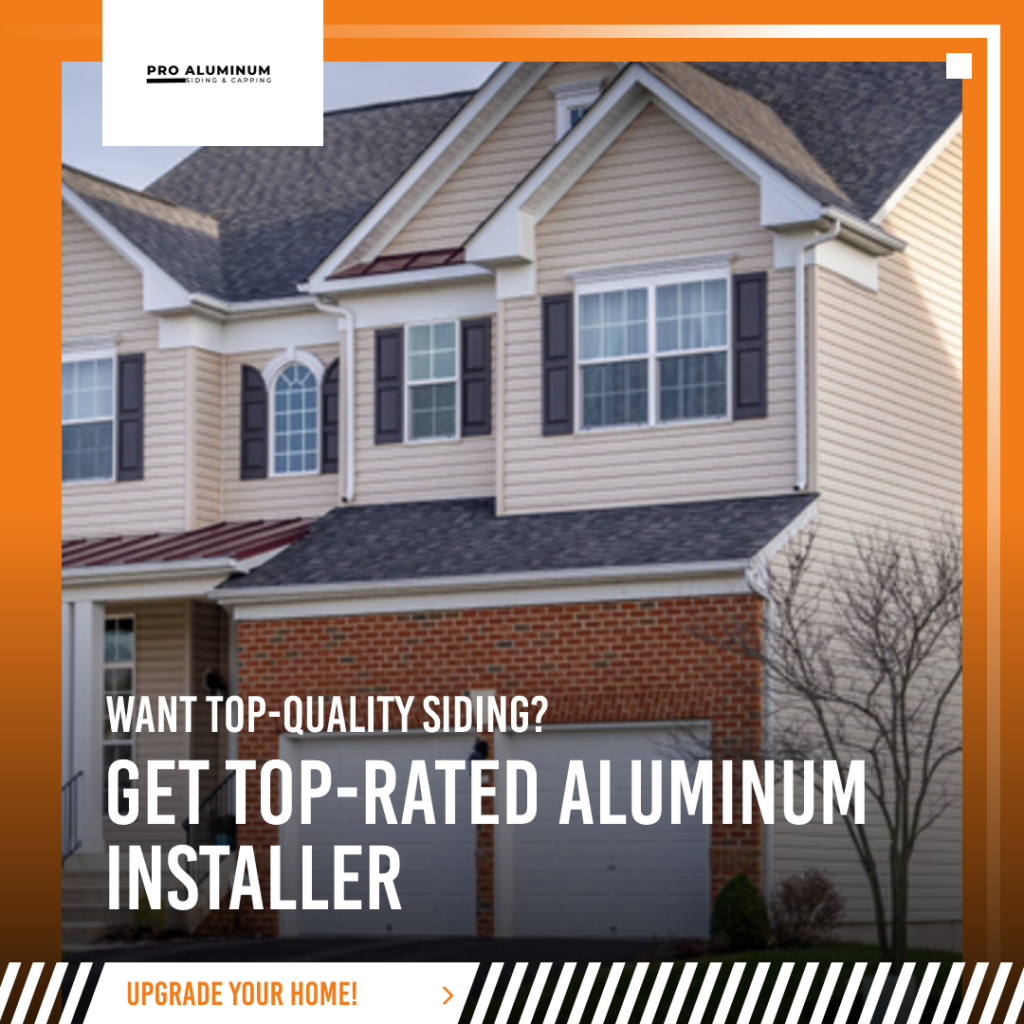


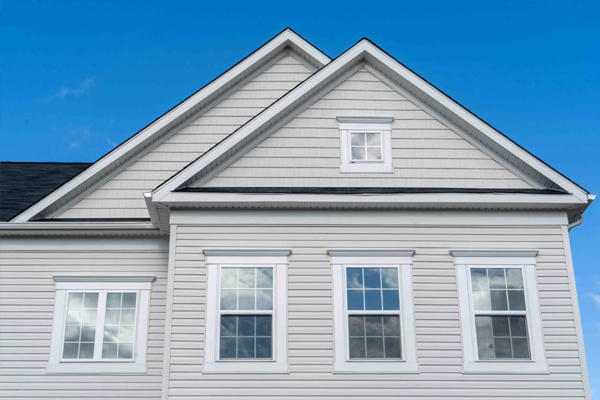


Aluminum siding is a common exterior cladding material used in residential construction. The material offers several practical advantages over traditional options like wood. Aluminum siding resists warping, rotting, and insect damage that commonly affect wood materials.
The material typically lasts 20-40 years with proper installation and basic maintenance. Aluminum siding is also non-combustible, meeting fire safety requirements in most building codes. Maintenance requirements for aluminum siding are minimal compared to other materials.
Regular cleaning with soap and water removes dirt and debris, while periodic inspection for dents or scratches helps maintain appearance. Unlike wood siding, aluminum does not require regular painting, staining, or sealing. Manufacturers offer aluminum siding in multiple colors and finishes, including smooth, textured, and wood-grain patterns.
The color is typically applied through a baked-on coating process that provides fade resistance and durability. These characteristics make aluminum siding a practical choice for residential applications where long-term performance and reduced maintenance are priorities.
Key Takeaways
- Aluminum siding offers durability, weather resistance, and energy efficiency for new homes.
- Selecting the right color and style enhances curb appeal and complements your home’s design.
- Proper installation and regular maintenance are key to maximizing the lifespan of aluminum siding.
- Aluminum siding provides eco-friendly benefits and compares favorably to other siding materials in cost and performance.
- Working with a reliable contractor ensures quality installation and long-term satisfaction.
Choosing the Right Color and Style for Your Home
Selecting the right color and style for your aluminum siding is crucial in creating a cohesive look for your new home. The color you choose can significantly impact the overall aesthetic, influencing how your home blends with its surroundings. Neutral tones such as grays, whites, and beiges are timeless choices that can enhance curb appeal while providing versatility in landscaping and decor.
On the other hand, bold colors like deep blues or vibrant reds can make a striking statement, showcasing your personality and style. When considering style, homeowners should think about architectural elements and regional influences. For instance, a modern home may benefit from sleek, horizontal panels, while a traditional design might look best with vertical siding or classic lap styles.
Additionally, it’s essential to consider the neighborhood’s overall aesthetic; aligning your home’s exterior with local trends can enhance its marketability and value. Ultimately, the right color and style should reflect your personal taste while harmonizing with the environment.
Installation Process and Considerations for Aluminum Siding

The installation process for aluminum siding is a critical aspect that can influence its performance and longevity.
Any existing materials may need to be removed or repaired to create a smooth surface for the new siding.
Proper insulation is also essential; installing a moisture barrier can prevent water damage and improve energy efficiency. Once the preparatory work is complete, the actual installation involves measuring and cutting the aluminum panels to fit the home’s dimensions accurately. It’s crucial to ensure that panels are installed correctly to avoid issues such as warping or gaps that could lead to moisture infiltration.
Homeowners should consider hiring experienced professionals for this task, as improper installation can negate many of the benefits associated with aluminum siding. A well-executed installation will not only enhance the home’s appearance but also ensure its durability over time.
Maintenance Tips for Long-lasting Aluminum Siding
While aluminum siding is known for its low maintenance needs, some care is still required to keep it looking its best. Regular cleaning is essential; homeowners should aim to wash their siding at least once a year to remove dirt, grime, and any potential stains. A mixture of mild soap and water applied with a soft brush or sponge can effectively clean the surface without causing damage.
For tougher stains or mildew, a solution of vinegar and water can be used as a natural alternative. In addition to cleaning, homeowners should periodically inspect their aluminum siding for any signs of damage or wear. Look for dents, scratches, or areas where paint may be peeling.
Addressing these issues promptly can prevent more significant problems down the line. If any panels are damaged beyond repair, they can be replaced individually without needing to redo the entire exterior. By following these maintenance tips, homeowners can ensure their aluminum siding remains attractive and functional for years to come.
Energy Efficiency and Insulation with Aluminum Siding
| Metric | Value | Details |
|---|---|---|
| Durability | 40-60 years | Resistant to rust, rot, and pests |
| Maintenance | Low | Requires occasional cleaning and repainting |
| Weight | Lightweight | Easier to install compared to other siding materials |
| Energy Efficiency | Moderate | Can be combined with insulation for better thermal performance |
| Color Options | Wide range | Available in many colors and finishes |
| Cost Effectiveness | High | Affordable material with long lifespan |
| Installation Time | 1-3 days | Depends on home size and complexity |
| Environmental Impact | Recyclable | Aluminum is 100% recyclable and sustainable |
Energy efficiency is a growing concern for many homeowners, and aluminum siding can play a significant role in enhancing a home’s insulation properties. When installed with proper insulation materials, aluminum siding can help regulate indoor temperatures by reducing heat loss during winter months and keeping homes cooler in summer. This not only contributes to a more comfortable living environment but also leads to lower energy bills over time.
Moreover, many manufacturers offer insulated aluminum siding options that provide even greater energy efficiency. These products feature foam backing that enhances thermal performance while maintaining the lightweight nature of aluminum. By investing in insulated aluminum siding, homeowners can enjoy improved energy efficiency without sacrificing style or durability.
This combination makes aluminum siding an excellent choice for those looking to reduce their carbon footprint while enhancing their home’s comfort.
Comparing Aluminum Siding to Other Siding Options
When considering siding options for new homes, it’s essential to compare aluminum siding with other materials such as vinyl, wood, and fiber cement. Each material has its unique advantages and disadvantages. For instance, vinyl siding is often praised for its affordability and variety of colors but may not offer the same level of durability as aluminum.
Wood siding provides a classic aesthetic but requires regular maintenance to prevent rot and insect damage. Fiber cement siding is another popular alternative known for its durability and resistance to fire and pests; however, it can be heavier and more expensive than aluminum. Ultimately, the choice between these materials will depend on individual preferences regarding aesthetics, budget, and maintenance requirements.
Aluminum siding stands out due to its combination of durability, low maintenance needs, and energy efficiency, making it an appealing option for many homeowners.
Customization Options for Aluminum Siding
One of the standout features of aluminum siding is its extensive customization options. Homeowners can choose from various colors, finishes, and styles to create a unique look that reflects their personal taste. Whether you prefer a sleek modern finish or a more traditional look with textured panels, there are countless options available to suit your vision.
Additionally, many manufacturers offer custom profiles that allow homeowners to achieve specific architectural styles or design elements. This level of customization ensures that your home stands out in the neighborhood while maintaining the durability and low maintenance benefits associated with aluminum siding. By exploring these options, homeowners can create an exterior that not only protects their investment but also enhances their overall enjoyment of their living space.
Durability and Weather Resistance of Aluminum Siding
Aluminum siding is renowned for its exceptional durability and weather resistance, making it an ideal choice for homes in various climates. Unlike wood or vinyl, which can warp or crack under extreme temperatures or moisture conditions, aluminum maintains its integrity regardless of environmental factors. This resilience means that homeowners can enjoy peace of mind knowing their siding will withstand harsh weather conditions such as heavy rain, snow, or intense sunlight.
Moreover, aluminum siding is resistant to rust and corrosion when properly coated with protective finishes. This characteristic ensures that it remains visually appealing over time without succumbing to unsightly blemishes or deterioration. Homeowners can rest assured that investing in aluminum siding means investing in a long-lasting solution that will protect their homes from the elements while requiring minimal upkeep.
Cost Considerations for Aluminum Siding
When evaluating the cost of aluminum siding, it’s essential to consider both initial investment and long-term value. While aluminum siding may have a higher upfront cost compared to some alternatives like vinyl, its durability often translates into lower maintenance expenses over time. Homeowners should factor in potential savings on repairs and replacements when assessing overall costs.
When considering financing options or budgeting for new home construction, it’s crucial to weigh these long-term savings against initial costs to make an informed decision that aligns with your financial goals.
Environmental Impact of Aluminum Siding
As sustainability becomes increasingly important in home construction and renovation, many homeowners are seeking materials that minimize environmental impact. Aluminum siding is an eco-friendly option due to its recyclability; it can be repurposed without losing quality or performance characteristics. This feature makes it an attractive choice for environmentally conscious consumers looking to reduce waste.
Furthermore, the production process for aluminum has become more energy-efficient over time, contributing to lower carbon emissions associated with manufacturing. By choosing aluminum siding for your new home, you are not only investing in a durable product but also supporting sustainable practices that benefit the planet.
Finding a Reliable Contractor for Aluminum Siding Installation
Selecting a reliable contractor for aluminum siding installation is crucial to ensuring a successful project outcome. Homeowners should begin by researching local contractors who specialize in siding installation and have experience working with aluminum products. Reading reviews and testimonials from previous clients can provide valuable insights into a contractor’s reputation and quality of work.
It’s also essential to obtain multiple quotes from different contractors before making a decision. This process allows homeowners to compare pricing structures while ensuring they receive fair estimates based on their specific project needs. Additionally, asking potential contractors about their warranties and post-installation support can help ensure peace of mind throughout the process.
By taking these steps, homeowners can find a trustworthy contractor who will deliver high-quality results for their aluminum siding installation project. In conclusion, aluminum siding offers numerous benefits for new homes ranging from durability and low maintenance needs to energy efficiency and customization options. By carefully considering factors such as color selection, installation processes, and contractor reliability, homeowners can make informed decisions that enhance their living spaces while ensuring long-term satisfaction with their investment in aluminum siding.
When considering Aluminum Siding Solutions for new homes, it’s essential to explore various aspects of home improvement that can enhance both aesthetics and functionality. One related article that provides valuable insights is about the benefits of dormer installations, which can significantly boost space and natural light in your home. You can read more about this topic in the article titled “Top Dormers Installation Boost Space” available here.
Get Free Estimate (647) 560-9038
FAQs
What are the benefits of aluminum siding for new homes?
Aluminum siding is durable, lightweight, and resistant to rust and corrosion. It requires minimal maintenance, is fire-resistant, and can be painted in various colors to match home aesthetics. Additionally, it is environmentally friendly as it is often made from recycled materials and is recyclable.
How does aluminum siding compare to other siding materials?
Compared to vinyl, aluminum siding is more durable and less prone to cracking. Unlike wood siding, aluminum does not rot or attract termites. It is also more fire-resistant than vinyl and wood. However, aluminum can dent more easily than some other materials and may require repainting over time.
Is aluminum siding energy efficient?
Aluminum siding itself is not highly insulating, but when combined with proper insulation materials underneath, it can contribute to improved energy efficiency by reducing heat transfer and helping maintain indoor temperatures.
How long does aluminum siding typically last?
With proper installation and maintenance, aluminum siding can last 30 to 50 years or more. Its longevity depends on factors such as climate, exposure to elements, and upkeep.
Can aluminum siding be installed over existing siding?
Yes, aluminum siding can often be installed over existing siding, provided the underlying surface is in good condition and properly prepared. This can save time and labor costs during installation.
What maintenance is required for aluminum siding?
Aluminum siding requires minimal maintenance. Occasional cleaning with soap and water to remove dirt and debris is usually sufficient. Periodic inspections for dents or scratches and repainting when necessary can help maintain its appearance and protection.
Is aluminum siding environmentally friendly?
Yes, aluminum siding is considered environmentally friendly because it is often made from recycled materials and is fully recyclable at the end of its life. Its durability also means less frequent replacement, reducing waste.
Can aluminum siding be customized in terms of color and style?
Yes, aluminum siding is available in a wide range of colors and styles, including different textures and finishes. It can be painted or coated with various finishes to match the desired look of a new home.
Is aluminum siding resistant to pests?
Aluminum siding is resistant to pests such as termites and carpenter ants, which can damage wood siding. This makes it a good choice for areas prone to pest infestations.
What is the cost of aluminum siding compared to other materials?
Aluminum siding is generally moderately priced, often more expensive than vinyl but less costly than high-end wood or fiber cement siding. The overall cost depends on factors like siding thickness, style, and installation complexity.