



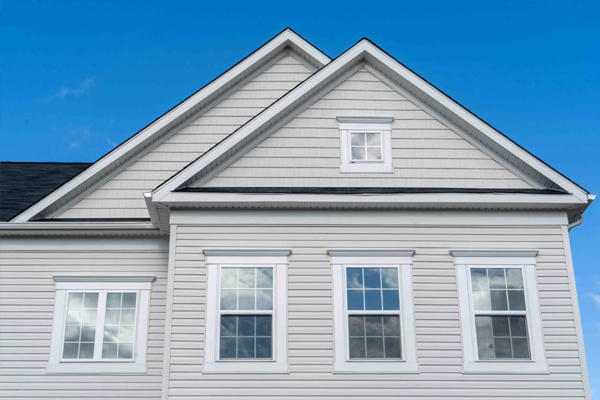


Soffit and fascia are essential structural elements of residential and commercial roofing systems that provide both functional and aesthetic benefits. The soffit refers to the exposed surface beneath the roof’s eaves, typically spanning from the building’s exterior wall to the edge of the roof overhang. The fascia consists of horizontal boards mounted along the roof’s perimeter, creating a vertical finishing surface where the roof meets the outer walls.
Soffits facilitate attic ventilation by incorporating vents that allow air circulation, preventing moisture accumulation that can cause mold development and compromise structural integrity. Fascia boards provide mounting points for gutters and create a weather barrier that protects roof edges from water infiltration and wind damage.
The ventilation properties of properly designed soffit systems directly impact building energy performance. Adequate airflow through soffit vents helps maintain consistent attic temperatures, reducing thermal stress on roofing materials and decreasing the workload on HVAC systems. This improved air circulation can result in measurable reductions in heating and cooling costs while potentially extending equipment service life.
Regular maintenance and proper installation of soffit and fascia systems are fundamental aspects of building envelope management that directly affect long-term structural durability and operational efficiency.
Key Takeaways
- Soffit and fascia protect your home’s structure and improve ventilation.
- Replace them if you notice rot, cracks, or pest damage.
- Aluminum is a durable, low-maintenance material ideal for soffit and fascia.
- Hiring an experienced contractor ensures proper installation and longevity.
- Aluminum soffit and fascia enhance curb appeal and offer long-term value.
Signs that Your Soffit and Fascia Need Replacement
Recognizing when your soffit and fascia need replacement is essential for maintaining your home’s health. One of the most common signs is visible damage, such as cracks, warping, or peeling paint. These issues can indicate that moisture has infiltrated the materials, leading to rot or decay.
If you notice any sagging or drooping in these areas, it’s a clear signal that structural support may be compromised, necessitating immediate attention. Another indicator is the presence of pests. If you find insects or rodents entering your home through gaps in the soffit or fascia, it’s time to consider replacement.
Additionally, if you observe mold or mildew growth in these areas, it’s crucial to address the issue promptly to prevent further damage and health risks.
Choosing the Right Material for Soffit and Fascia Replacement

When it comes to replacing soffit and fascia, selecting the right material is paramount. Homeowners typically have several options, including wood, vinyl, and aluminum. Each material has its own set of advantages and disadvantages.
For instance, wood offers a classic aesthetic but requires regular maintenance to prevent rot and insect damage. Vinyl is low-maintenance and resistant to fading but may not provide the same level of durability as aluminum. Aluminum has emerged as a popular choice due to its combination of durability and low maintenance.
It is resistant to rust, rot, and insect damage, making it an excellent long-term investment. Additionally, aluminum can be painted or finished in various colors, allowing homeowners to customize their home’s appearance while enjoying the benefits of a robust material. Ultimately, the choice of material should align with your budget, aesthetic preferences, and long-term maintenance goals.
Benefits of Aluminum Soffit and Fascia
Aluminum soffit and fascia offer numerous benefits that make them an attractive option for homeowners. One of the most significant advantages is their durability. Unlike wood or vinyl, aluminum is impervious to rot and insect damage, ensuring that your investment lasts for years without requiring extensive repairs or replacements.
This durability translates into lower long-term costs, as homeowners can avoid frequent maintenance expenses associated with other materials. In addition to durability, aluminum is also highly versatile in terms of design. It comes in a wide range of colors and finishes, allowing homeowners to match their soffit and fascia with their home’s exterior seamlessly.
Furthermore, aluminum is lightweight yet strong, making it easier to install compared to heavier materials. This ease of installation can lead to reduced labor costs when hiring a contractor for replacement work.
Finding the Right Contractor for Soffit and Fascia Replacement
| Metric | Value | Details |
|---|---|---|
| Average Cost per Linear Foot | 15 – 25 | Includes materials and labor for aluminum soffit and fascia replacement |
| Typical Project Duration | 1 – 3 days | Depends on house size and complexity |
| Material Lifespan | 20 – 40 years | Aluminum soffit and fascia are durable and weather-resistant |
| Common Aluminum Thickness | 0.019 – 0.024 inches | Standard thickness for residential soffit and fascia |
| Energy Efficiency Impact | Moderate | Improves ventilation and protects roof structure |
| Maintenance Frequency | Every 3 – 5 years | Cleaning and inspection recommended |
| Common Colors Available | White, Beige, Brown, Grey | Custom colors may be available on request |
| Warranty Period | 10 – 20 years | Varies by manufacturer and installer |
Selecting the right contractor for soffit and fascia replacement is crucial for ensuring a successful project. Start by seeking recommendations from friends or family who have recently completed similar work. Online reviews and ratings can also provide valuable insights into a contractor’s reputation and quality of work.
Once you have a shortlist of potential candidates, it’s essential to conduct interviews to gauge their experience and expertise in soffit and fascia installation. During your discussions with contractors, inquire about their licensing and insurance status. A reputable contractor should be fully licensed to operate in your area and carry liability insurance to protect you from any potential damages during the project.
Additionally, ask for references from previous clients to get a sense of their workmanship and customer service. By taking these steps, you can ensure that you choose a qualified professional who will deliver high-quality results.
The Process of Aluminum Soffit and Fascia Replacement

The process of replacing aluminum soffit and fascia typically begins with an assessment of the existing materials. A qualified contractor will inspect the current soffit and fascia for signs of damage or decay before proceeding with removal. This step is crucial as it allows for any underlying issues to be addressed before new materials are installed.
Once the old materials are removed, the contractor will prepare the area for installation by ensuring that all surfaces are clean and free from debris. The new aluminum soffit and fascia will then be cut to size and installed according to manufacturer specifications. Proper installation is key to ensuring that these components function effectively while enhancing your home’s curb appeal.
After installation, a final inspection will be conducted to ensure everything is secure and meets quality standards.
Cost Considerations for Soffit and Fascia Replacement
When planning for soffit and fascia replacement, understanding the associated costs is essential for budgeting effectively. The total cost can vary significantly based on several factors, including the size of your home, the materials chosen, and labor costs in your area. On average, homeowners can expect to pay between $1,000 to $3,000 for a complete replacement project.
It’s important to obtain multiple quotes from different contractors to ensure you’re getting a fair price. Keep in mind that while it may be tempting to choose the lowest bid, quality should not be compromised for cost savings. Investing in high-quality materials and skilled labor can save you money in the long run by reducing maintenance needs and extending the lifespan of your soffit and fascia.
Maintenance Tips for Aluminum Soffit and Fascia
While aluminum soffit and fascia are known for their low maintenance requirements, some care is still necessary to keep them looking their best. Regular inspections should be conducted at least once a year to check for any signs of damage or wear. Look for loose panels or any areas where dirt or debris may have accumulated.
Cleaning aluminum soffit and fascia is relatively straightforward; a simple wash with soap and water can remove dirt buildup. For tougher stains or discoloration, a mixture of vinegar and water can be effective. Avoid using harsh chemicals or abrasive materials that could scratch or damage the surface.
By following these maintenance tips, homeowners can ensure that their aluminum soffit and fascia remain in excellent condition for years to come.
Environmental Considerations of Aluminum Soffit and Fascia
When considering materials for soffit and fascia replacement, environmental impact is an increasingly important factor for many homeowners. Aluminum is often regarded as an eco-friendly option due to its recyclability. In fact, aluminum can be recycled indefinitely without losing its properties, making it a sustainable choice for those looking to reduce their carbon footprint.
Additionally, aluminum production has become more energy-efficient over time, further minimizing its environmental impact. By choosing aluminum soffit and fascia, homeowners not only benefit from a durable product but also contribute positively to environmental sustainability efforts. This consideration aligns with a growing trend among consumers who prioritize eco-friendly building materials in their home improvement projects.
Enhancing the Curb Appeal with Aluminum Soffit and Fascia
Aluminum soffit and fascia can significantly enhance your home’s curb appeal when chosen thoughtfully. With various colors and finishes available, homeowners have the flexibility to select options that complement their existing exterior design seamlessly. A well-coordinated color scheme can create a polished look that elevates your home’s overall aesthetic.
Moreover, new soffit and fascia can provide a fresh appearance that revitalizes an aging exterior. This upgrade not only improves visual appeal but can also increase property value—a crucial consideration for homeowners looking to sell in the future. Investing in high-quality aluminum materials ensures that your home stands out while maintaining its structural integrity.
The Long-Term Value of Aluminum Soffit and Fascia
Investing in aluminum soffit and fascia offers long-term value that extends beyond immediate aesthetic improvements. Due to their durability and low maintenance requirements, aluminum products can save homeowners money over time by reducing repair costs associated with other materials like wood or vinyl. Additionally, their resistance to rot and pests means fewer worries about structural damage.
Furthermore, high-quality aluminum soffit and fascia can enhance energy efficiency by promoting proper ventilation in attics, leading to lower heating and cooling costs over time. This combination of durability, low maintenance needs, energy efficiency benefits, and aesthetic appeal makes aluminum an excellent investment for homeowners looking to improve their property’s value while ensuring its longevity. In conclusion, understanding the importance of soffit and fascia is crucial for maintaining your home’s integrity while enhancing its curb appeal.
By recognizing signs that indicate replacement needs, choosing appropriate materials like aluminum, finding qualified contractors, understanding costs involved, maintaining these elements properly, considering environmental impacts, enhancing aesthetics through thoughtful design choices, and appreciating long-term value—homeowners can make informed decisions that benefit both their property and their wallets in the long run. If you’re considering an upgrade or replacement project for your soffit and fascia, now is the perfect time to take action!
When considering an aluminum soffit and fascia replacement in Toronto, it’s essential to understand the broader context of aluminum materials and their benefits. For instance, you might find the article on aluminum siding particularly informative, as it discusses the durability and cost-effectiveness of aluminum, which are crucial factors to consider when updating your home’s exterior. This knowledge can help you make a more informed decision about your soffit and fascia choices.
Get Free Estimate (647) 560-9038
FAQs
What is aluminum soffit and fascia?
Aluminum soffit and fascia are exterior building components used to cover the underside of roof eaves (soffit) and the horizontal band along the edge of the roof (fascia). They protect the roof structure from weather damage and improve ventilation.
Why is aluminum commonly used for soffit and fascia?
Aluminum is lightweight, durable, resistant to rust and corrosion, and requires minimal maintenance. It is also easy to install and available in various colors and finishes, making it a popular choice for soffit and fascia replacement.
When should soffit and fascia be replaced?
Soffit and fascia should be replaced if they show signs of rot, warping, cracking, rust, or insect damage. Other indicators include peeling paint, water stains, or gaps that allow pests to enter the attic.
What are the benefits of replacing soffit and fascia with aluminum in Toronto?
Replacing soffit and fascia with aluminum in Toronto offers protection against harsh weather conditions, prevents water damage, improves ventilation, enhances curb appeal, and reduces maintenance needs due to aluminum’s durability.
How long does aluminum soffit and fascia replacement typically take?
The replacement duration depends on the size of the property and the extent of the work but generally takes one to three days for an average residential home.
Is aluminum soffit and fascia replacement expensive in Toronto?
Costs vary based on the size of the home, quality of materials, and labor rates. Aluminum soffit and fascia replacement is generally cost-effective compared to other materials due to its longevity and low maintenance.
Can I install aluminum soffit and fascia myself?
While DIY installation is possible for those with construction experience, professional installation is recommended to ensure proper fitting, ventilation, and weatherproofing.
Does aluminum soffit and fascia require maintenance?
Aluminum soffit and fascia require minimal maintenance. Occasional cleaning to remove dirt and debris and inspections for damage are usually sufficient.
How does aluminum soffit and fascia improve home ventilation?
Aluminum soffits often have vents that allow air to circulate into the attic, reducing moisture buildup and helping regulate temperature, which can extend the life of the roof.
Are there any color options available for aluminum soffit and fascia?
Yes, aluminum soffit and fascia come in a variety of colors and finishes, allowing homeowners to match or complement their home’s exterior design.